Tourmaline Jewelry
The gem family with the widest colour range in the world, and a birthstone of October
Unearthed Gemstones Tourmaline Jewelry
Click the photos for a closer look of the jewelry pieces
Hardness
7 - 7.5 (Durable): Great for daily wear.
Toughness
Fair (Needs care — Vulnerable to knocks and sharp blows)
Mineral Family
Tourmaline
Transparency
Transparent to Translucent
Crystal System
Trigonal
Lustre
Vitreous
What Is Tourmaline?
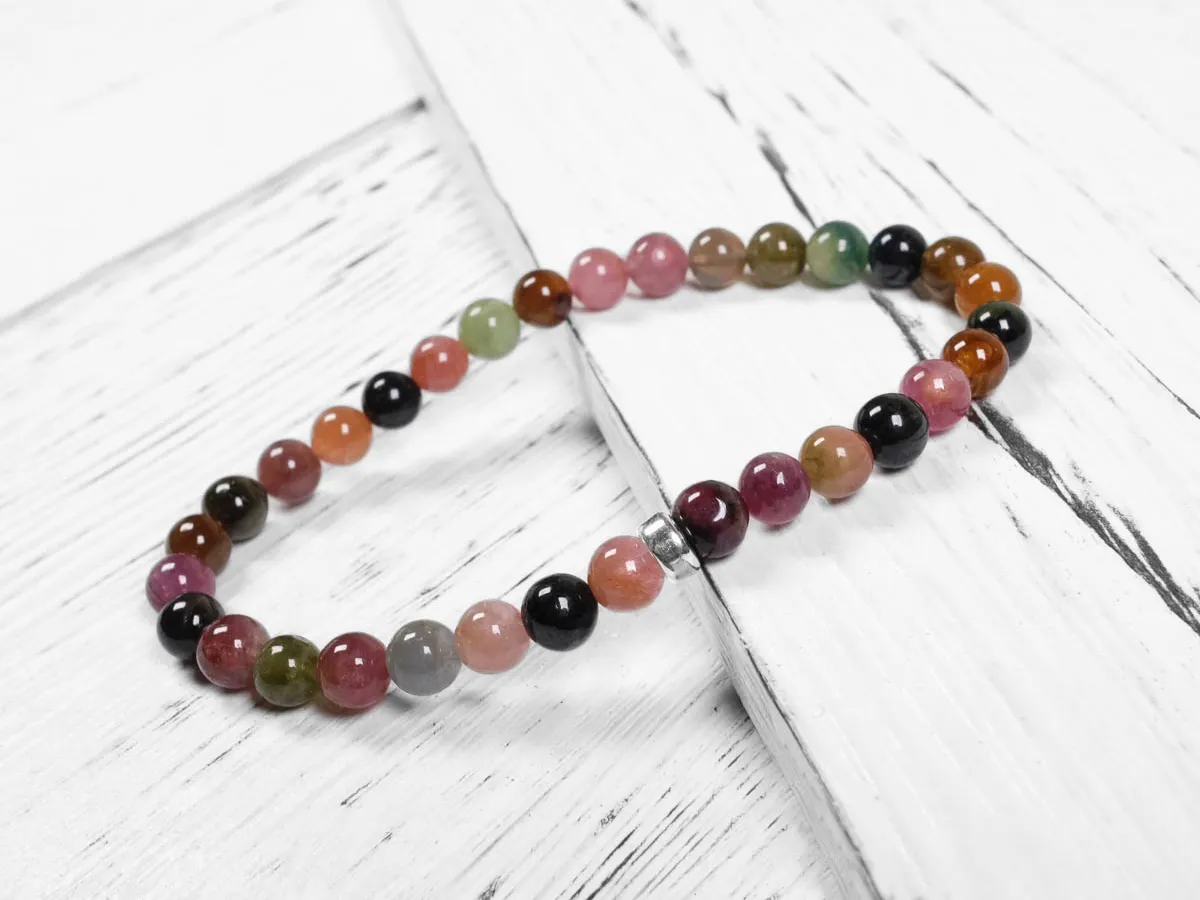
Tourmaline is a family of boron silicate minerals with the widest colour range in the gem world: pink and red rubellite, green verdelite, blue indicolite, the neon copper-bearing Paraiba tourmalines, and famous watermelon crystals with pink cores wrapped in green. The name comes from the Sinhalese toramalli, meaning mixed gems, which is fitting since Sri Lankan parcels confused traders for centuries. It is pyroelectric too: warm a crystal and it becomes weakly charged, attracting dust. Major sources include Brazil, Afghanistan, Nigeria and Mozambique, and it is a birthstone for October.
Is Tourmaline Durable Enough for Everyday Jewelry?
Tourmaline has a hardness of 7 to 7.5, good enough for regular wear, though it can be brittle around inclusions, so sensible settings help for rings. It is nearly always faceted, with cat's-eye stones cut as cabochons.
Is Tourmaline Treated?
Heat and irradiation are routinely used to brighten some colours, standard disclosed practice in the trade.
How to Care for Tourmaline Jewelry
Avoid ultrasonic and steam cleaning and use warm, soapy water instead.
What to Look for When Buying Tourmaline
With such a colour range, comparing stones of the same hue is the fairest way to judge value.
Gemstones Similar to Tourmaline
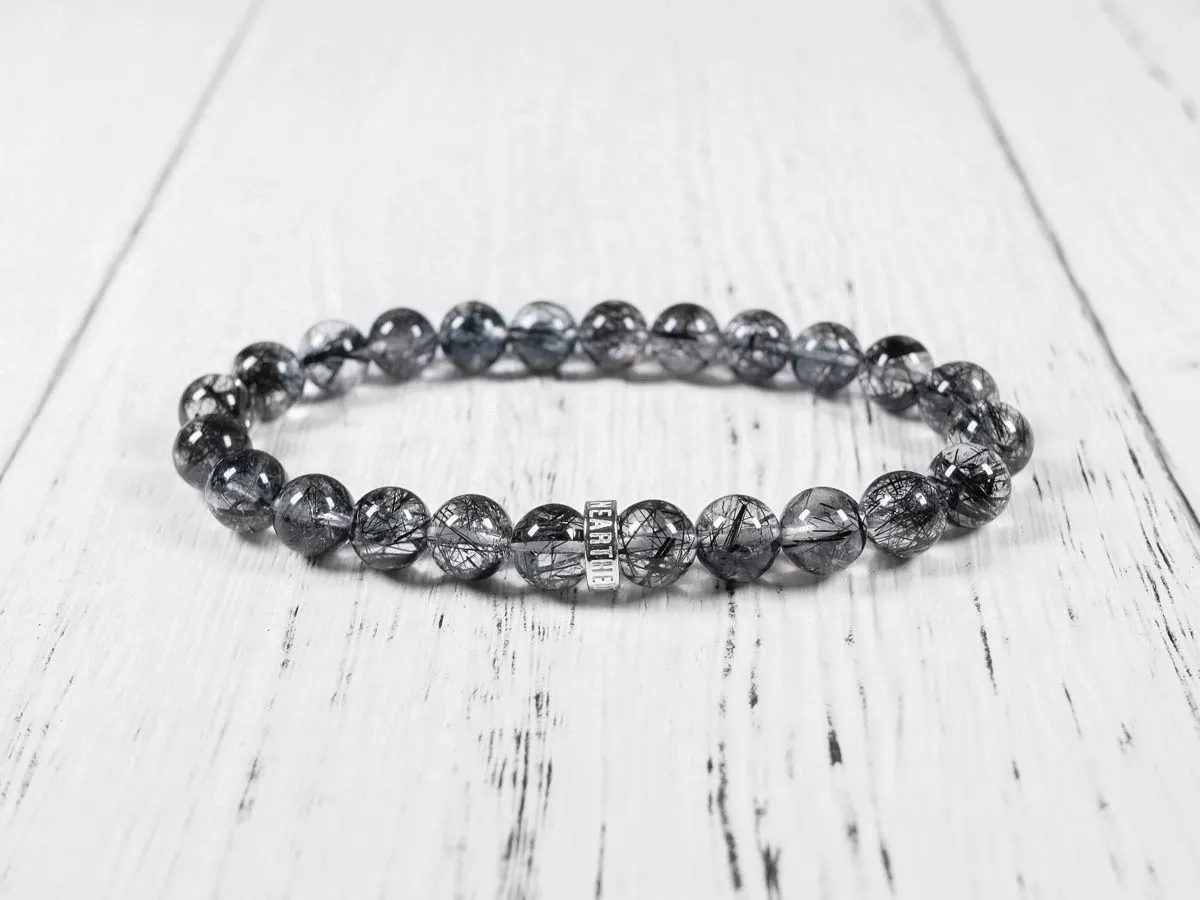
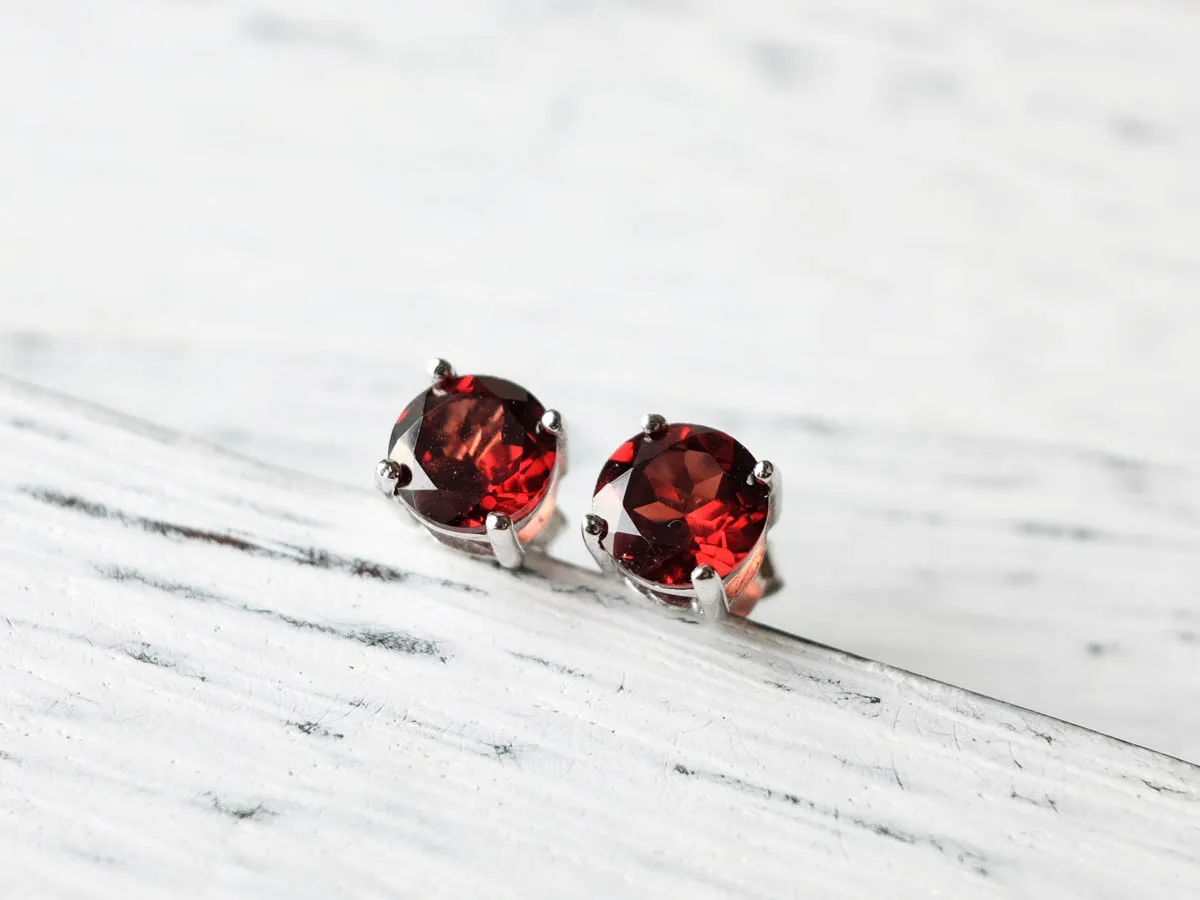
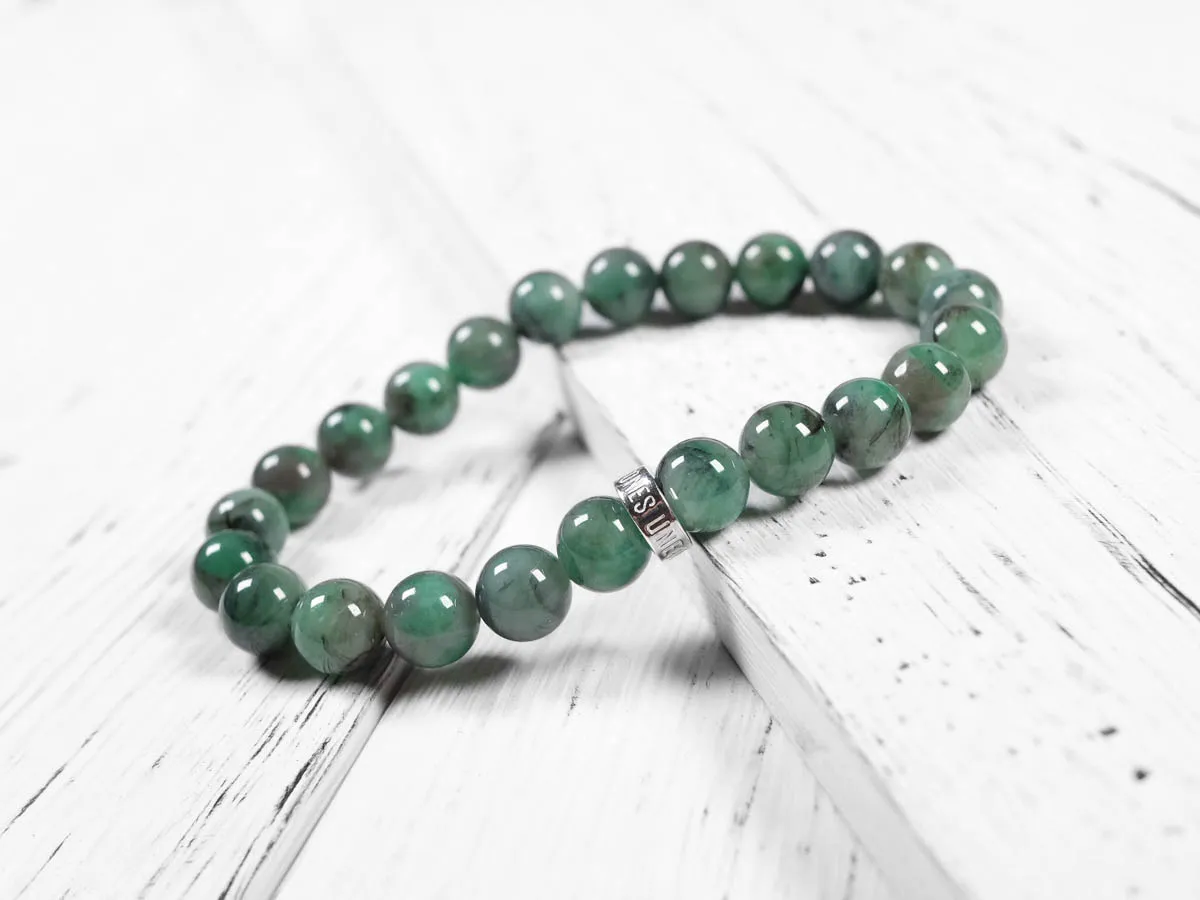
Tourmalinated quartz carries its black crystals, while garnet and emerald can compete with its reds and greens.