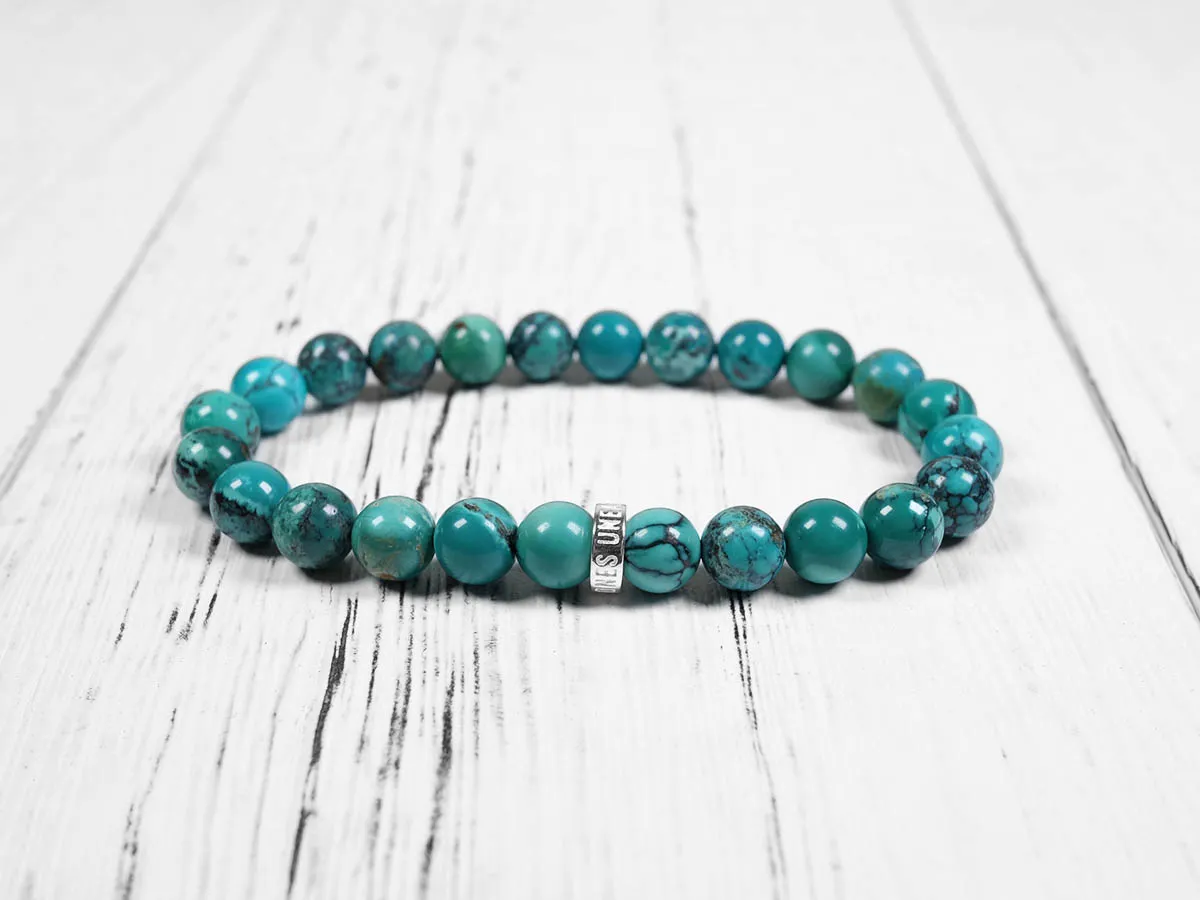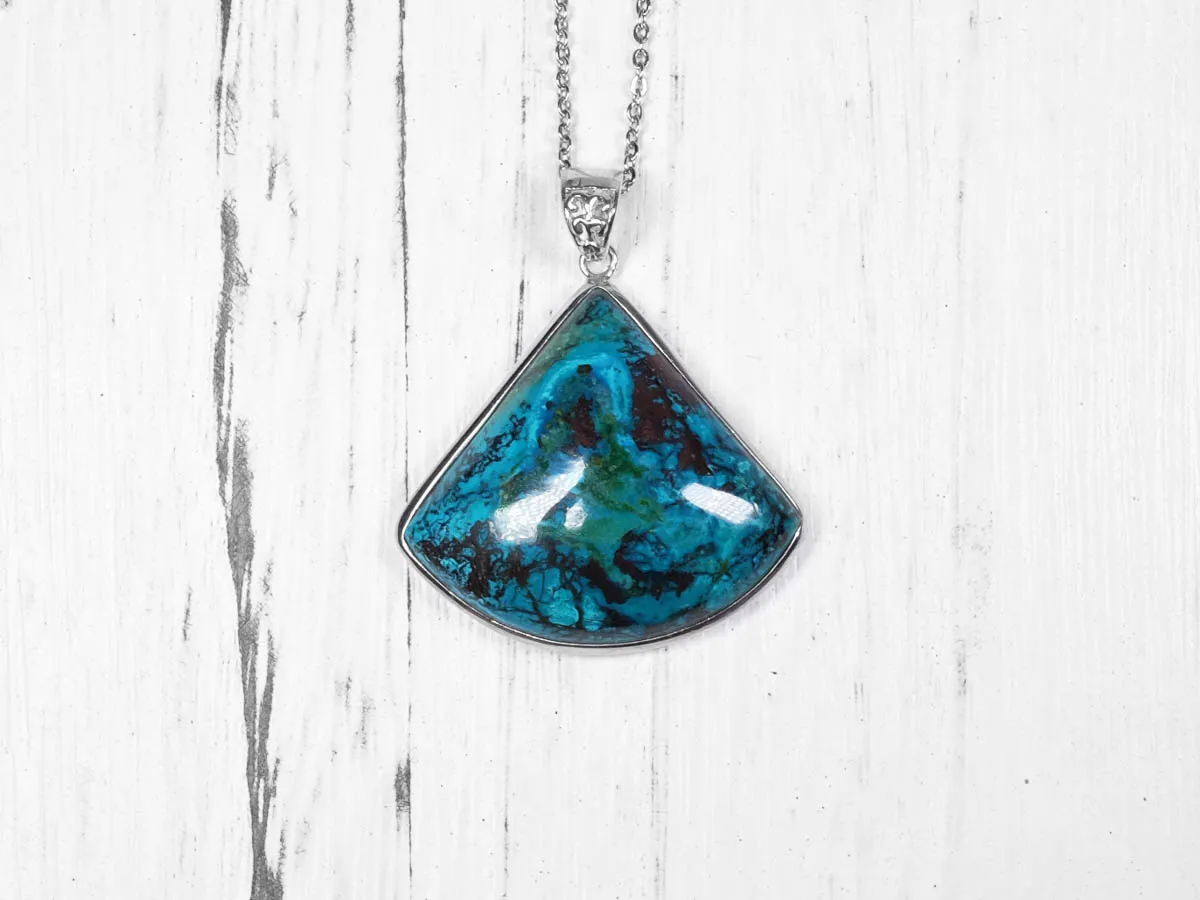
Chrysocolla Jewelry
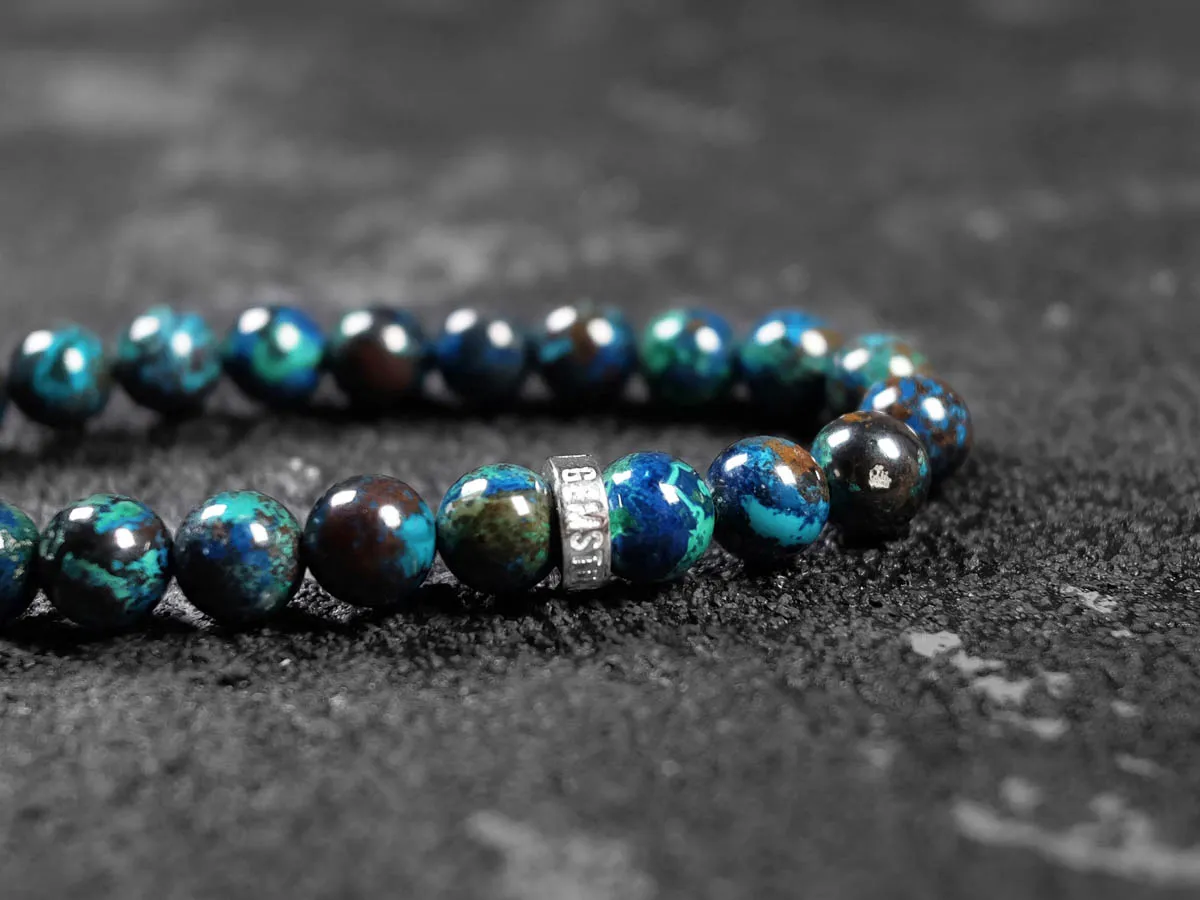
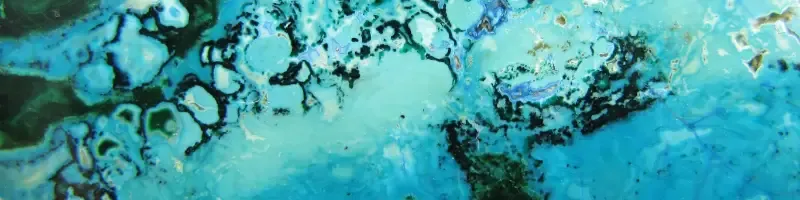
A copper mineral with swirling blues and greens that look like Earth seen from space
Unearthed Gemstones Chrysocolla Jewelry
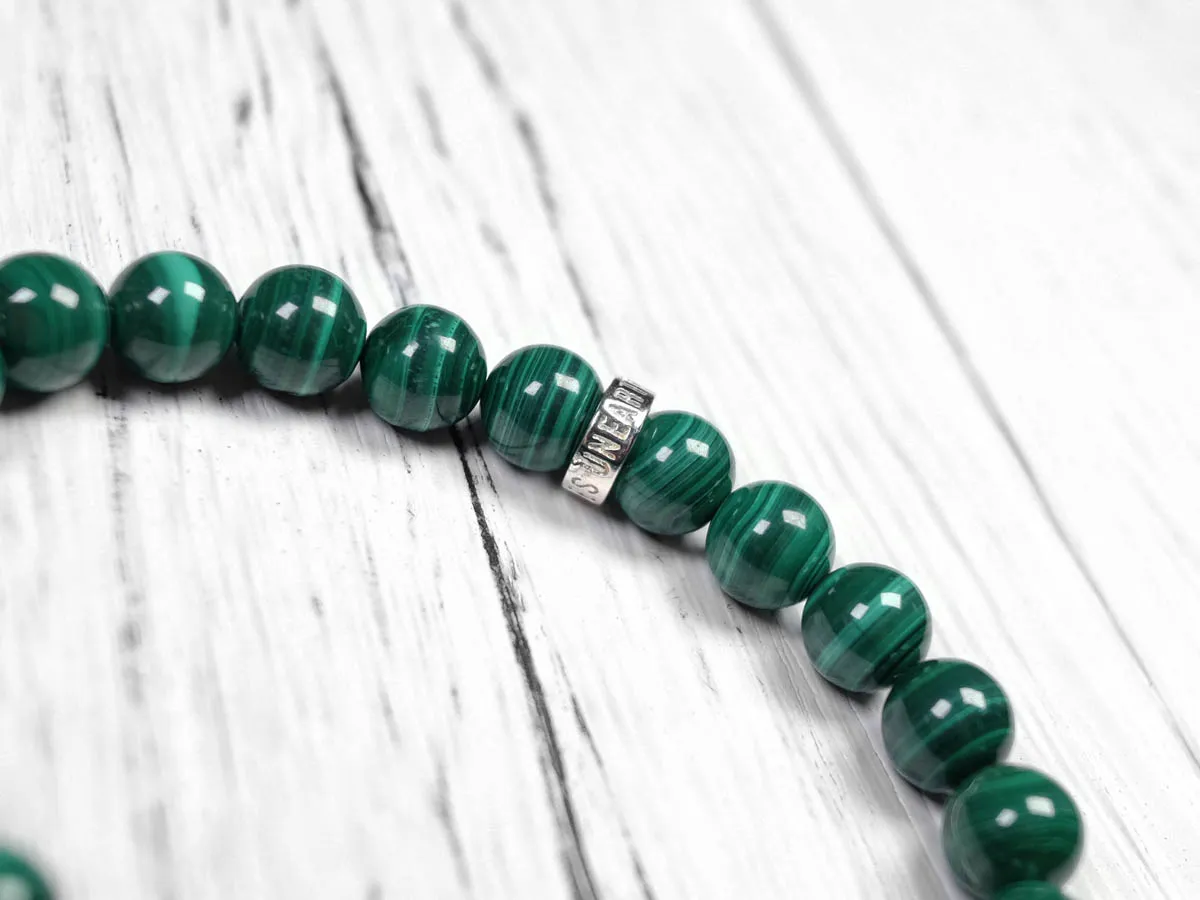
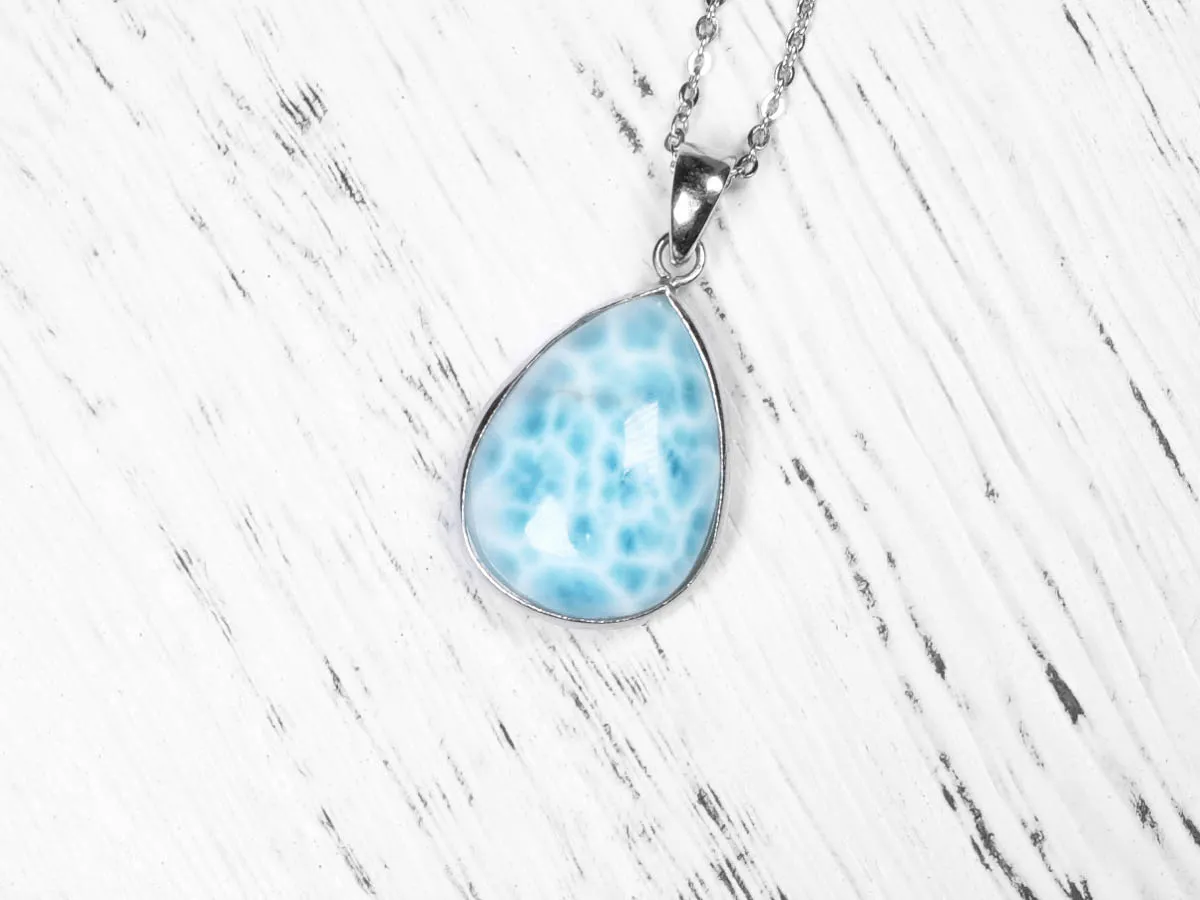
Click the photos for a closer look of the jewelry pieces
Hardness
2.5 - 3.5 (Soft): Handle with care; Easily scratchable.
Toughness
Poor (Fragile — Can chip or break easily; Treat gently and store separately)
Mineral Family
Chrysocolla (Copper Silicate)
Transparency
Translucent to Opaque
Crystal System
Orthorhombic
Lustre
Waxy
What Is Chrysocolla?
Chrysocolla is a copper-bearing mineral with some of the most gorgeous blues and greens in the gem world, often swirled together like a satellite photo of Earth. It forms where copper deposits weather, so it is often found tangled up with malachite, turquoise and quartz. On its own it is quite soft, but when nature infuses it with silica it becomes what cutters call gem silica or silicified chrysocolla, which is much harder and highly prized. Major sources include the USA, Peru, Chile, Mexico and the Democratic Republic of the Congo.
Is Chrysocolla Durable Enough for Everyday Jewelry?
Pure chrysocolla sits around 2.5 to 3.5 on the Mohs scale, so it is strictly a gentle-wear stone unless it is the harder, quartz-rich material. It is cut as cabochons and beads, and it suits pendants and earrings far better than rings.
How to Care for Chrysocolla Jewelry
Keep it away from water soaking, chemicals and knocks, and wipe it clean with a barely damp cloth.
What to Ask When Buying Chrysocolla
When buying, ask whether a stone is pure chrysocolla or gem silica, since the difference matters a lot for both durability and price.
Gemstones Similar to Chrysocolla
Turquoise, malachite and shattuckite are other copper minerals with similar colours.