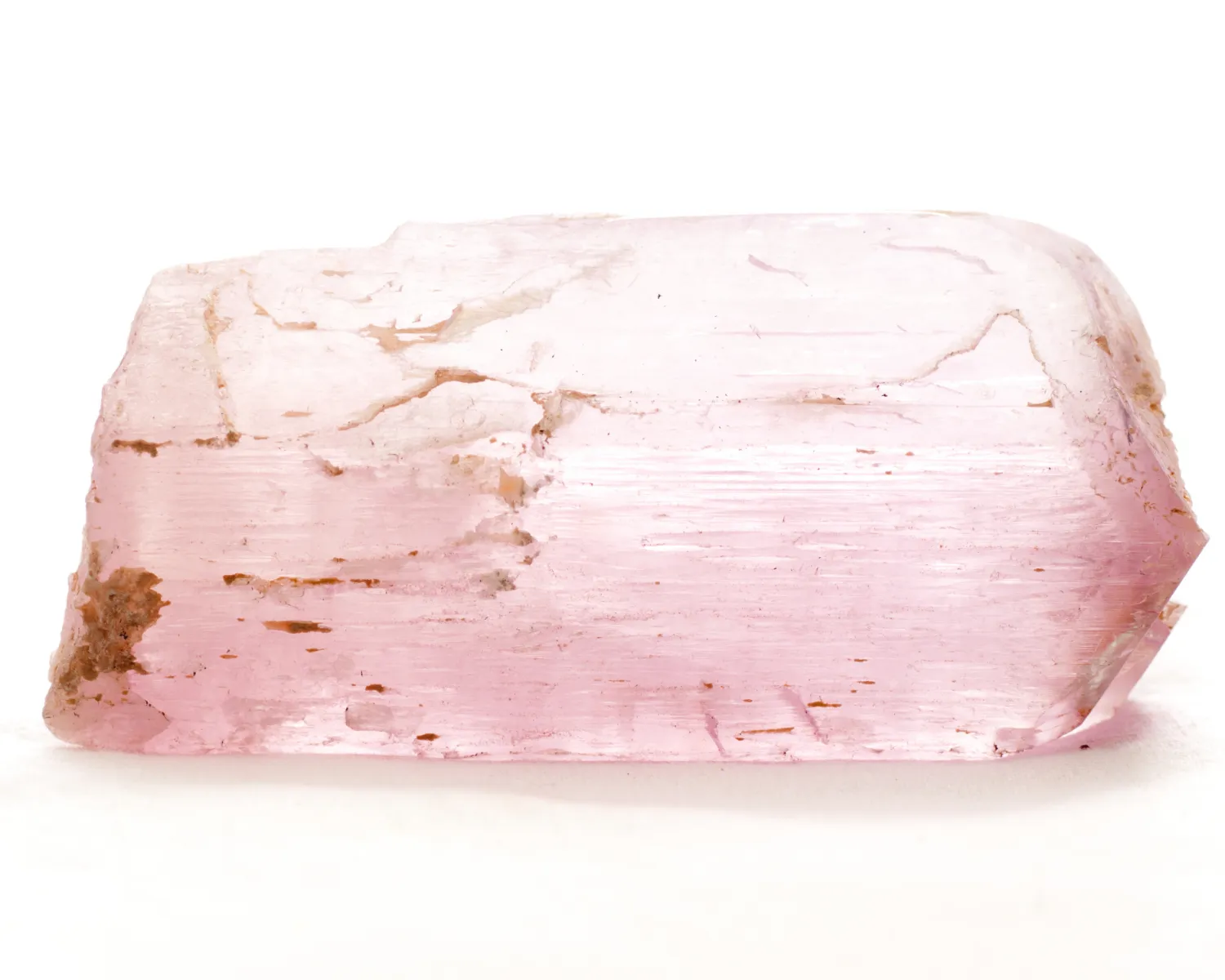
When customers look for a beautiful pink gemstone, they often think of expensive sapphires or tourmalines. But what if you want a vibrant stone without the massive price tag?
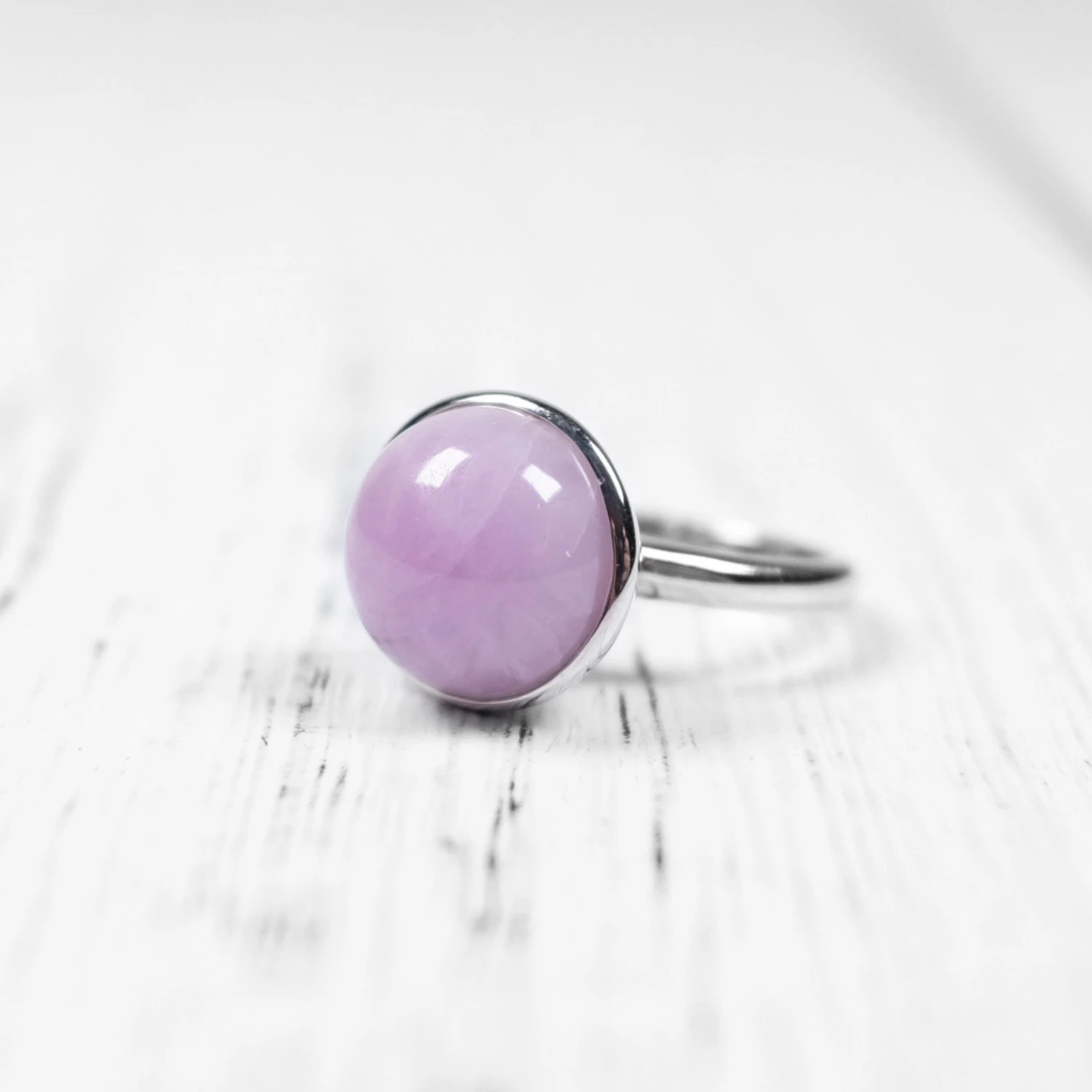
Let me introduce you to: Kunzite, a beautiful pink-to-purple gemstone with some fascinating scientific fun facts. This 'midnight stone' has some secrets that you should know before you buy.
In this article, I will guide you through the fascinating science of kunzite, how to evaluate both top-quality and budget-friendly pieces, and exactly how to protect this pretty gemstone.
The Chemistry Behind the Colour
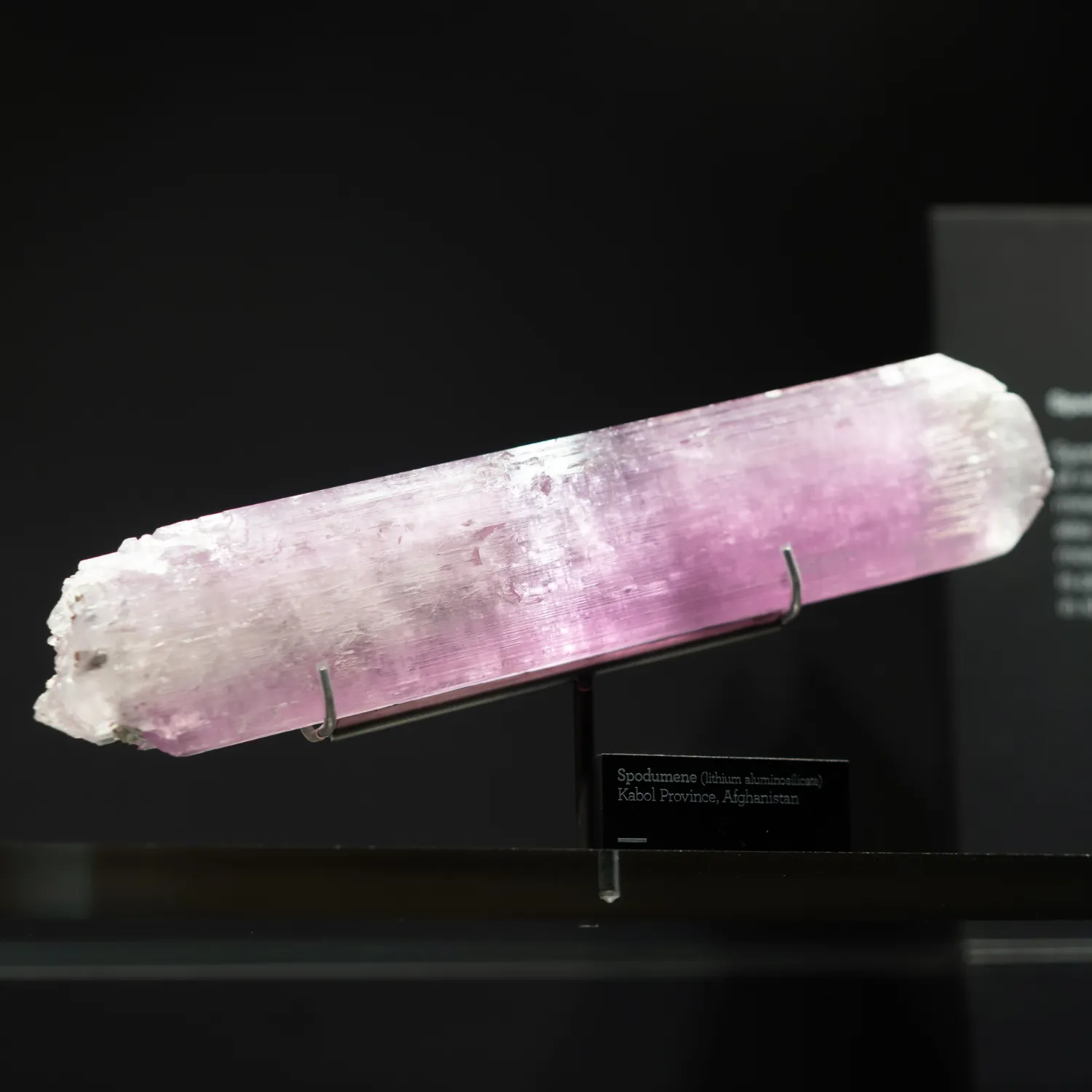
Kunzite belongs to a mineral family called spodumene, which is completely colourless in its pure, natural form. The delicate pink and purple hues only happen when trace amounts of the mineral, manganese, are trapped inside the crystal as it forms.
This gemstone also displays a fascinating visual phenomenon called pleochroism, which means it has the ability to show different colours when viewed from different angles. This effect is possible because of kunzite's unique crystal structure, which absorbs light differently depending on how the light passes through it.
If you tilt a piece of raw kunzite, you might see vibrant pink-purple colour from the top, and a pale pink or even colourless from the side. Because of this structural illusion, gemstone cutters must carefully align the top of the gem with the crystal's most intense axis of colour.
Why is it Called the "Midnight Stone"?
Kunzite is sometimes known in the jewelry world as the "midnight stone", which actually hints at how you should take care of this gem. The exact same manganese impurities that give kunzite its beautiful pink colour are highly unstable when exposed to strong sunlight.
If you leave kunzite exposed to prolonged sunlight, the ultraviolet (UV) radiation actually alters the oxidation state (the chemical balance of electrons) of the manganese ions inside the crystal. And this chemical reaction causes kunzite's colours to literally fade away.
To preserve its colour, scientists and jewelers alike recommend only wearing this gem when the sunlight is not strong, or after the sun goes down.
Evaluating Top-Quality Kunzite
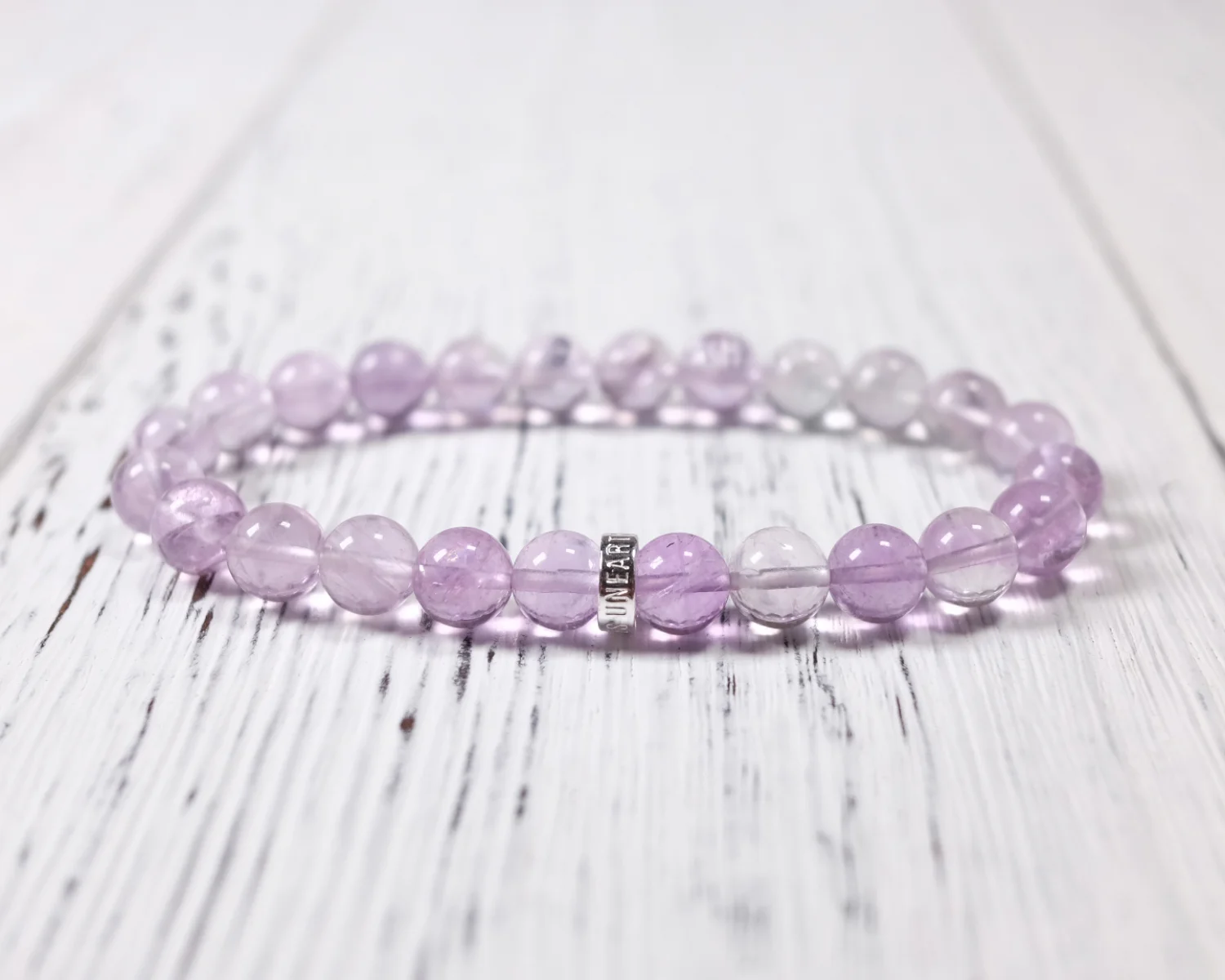
If you are a collector looking for the finest kunzite on the market, your primary focus will be on how strong the colour is. Darker tones fetch a high price tag, with deep magenta and rare, bright violet hues holding the highest value.
Top-tier kunzite should also be completely eye-clean (free of any visible internal flaws). Because small gems are pretty difficult to cut without breaking, high-quality kunzite is actually much more commonly found in massive carat weights.
How to Buy Kunzite on a Budget
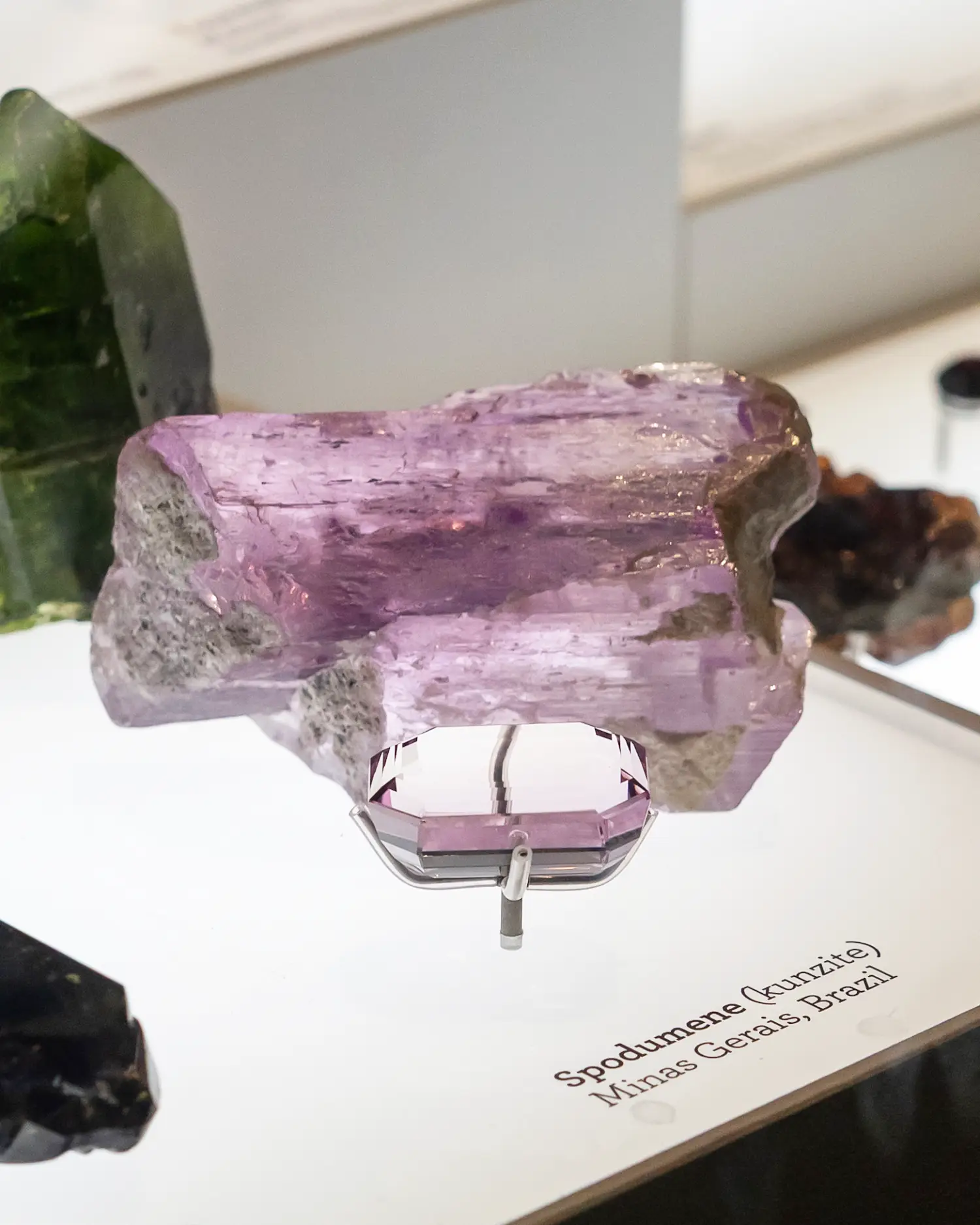
While flawless, deep-magenta kunzite is sought after by collectors, you absolutely do not need to spend thousands to get a beautiful piece. In the more accessible price range, you can easily find stunning everyday kunzite jewelry by slightly shifting your evaluation criteria. Focus on these factors when buying kunzite:
- Noticeable Colour: Look for a distinct pink or purple-ish hue, or even pastel pinks. Avoid stones that are too pale or light in colour.
- Accessible Clarity: At this price range, instead of expecting a flawless, glass-like gem, look for a kunzite that is translucent (allowing some light to pass through). Stones that feature transparent patches mixed with slight natural inclusions offer great value and a unique look.
- Know Your Treatments: Be aware that some lower-priced kunzite is treated with irradiation and heat to deepen pale stones. This is a rather common practice, but it should always be disclosed by the seller.
Taking Care of Kunzite
Cutting kunzite is famously considered difficult for gem cutters. The gem features perfect cleavage in two directions (natural flat planes within the crystal structure where it can easily split apart).
Because of this delicate internal structure, an accidental bump against a hard surface can cause the stone to chip or fracture. If you are shopping for kunzite jewelry, there are a few practical tips for you:
- Choose Protective Settings: When choosing kunzite pendants and earrings, look for settings that protect the edges especially corners of the stone.
- Avoid the Sun: Keep your gem away from direct daylight to prevent the colour from fading chemically.
- Store Safely: Always keep your kunzite tucked away in a closed, dark jewelry box when you are not wearing it.
With proper precautions, kunzite makes a wonderfully unique addition to any jewelry collection. By respecting its science and protecting its fragile nature, you can enjoy the beauty of the midnight stone for a lifetime.