
We all know the importance of wearing sunscreen to protect our skin from UV rays. But did you know that your jewelry box might need some sun protection, too?
While many people think of gemstones and crystals as indestructible, many stones are surprisingly sensitive to their environment. Just as the sun can bleach your curtains or the paint on your car, strong ultraviolet (UV) light can alter the chemical makeup of certain gemstones.
The last thing I want is to have my amethyst slowly fade from a vibrant purple to a light lavender. The scary part is that you usually don’t notice it happening day-to-day. It’s a slow, gradual shift, and by the time you realise your favourite necklace looks different, it’s often too late to fix it.
For some gemstones, the change is discolouration, while some other gemstones get damaged from drying out and cracking.
In order to protect your gemstone jewelry, take a look at this list to see if any piece in your collection is at risk.
01 - Amethyst
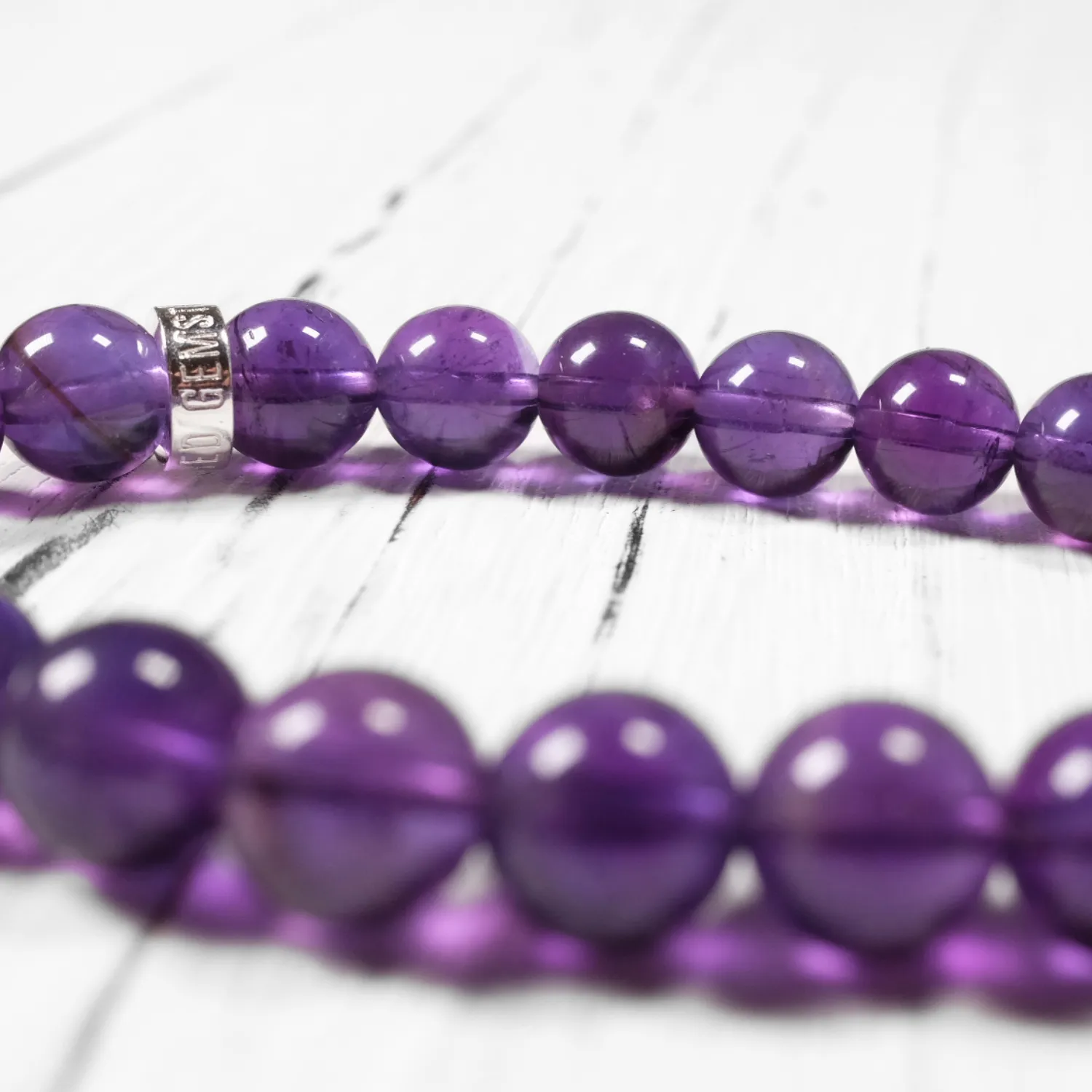
Amethyst is one of the most popular stones I work with, loved for its deep, royal purple hues. However, there is a reason I always warn customers about storing jewelry pieces with amethyst.
To understand why it fades, we have to look at the 'recipe' of the gemstone. Amethyst is essentially clear quartz that has iron impurities inside it. Over millions of years, natural radiation from the surrounding rocks "zaps" that iron, turning it into that beautiful purple colour we love.
Think of the sunlight as a reset button. When you expose amethyst to strong UV rays or heat for long periods, the energy from the sun essentially reverses that natural process. It reverts the electrons back to their original state, causing the purple to unstable and fade away. Over time, UV rays can turn your vibrant purple gems into a pale lilac, grey, or even an almost colourless stone.
02 - Kunzite
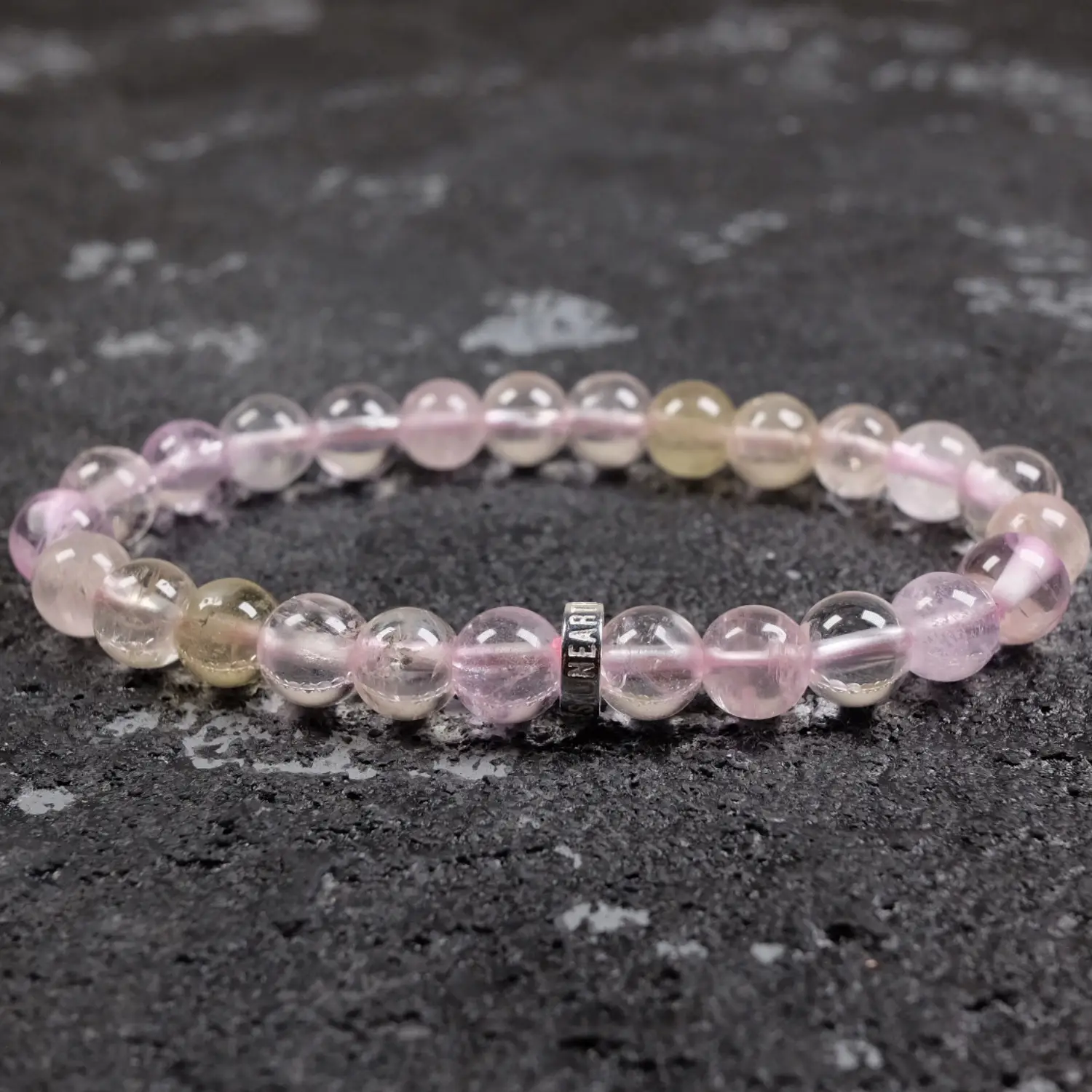
Kunzite is a stunning pastel pink-to-lavender colour gemstone that has gained massive popularity recently. It is a variety of the mineral spodumene. In the gem trade, kunzite has earned a romantic nickname: the "Evening Stone".
This isn't just because it looks great at dinner parties. Kunzite’s delicate pink colour is notorious for fading in strong light. Jewellers recommended that customers only wear it after sundown to preserve its colour. If you wear this out for a long summer hike, you might come home with a clear stone.
03 - Rose Quartz

Rose quartz is the stone of universal love, known for its soft, milky pink glow. While generally durable, there are some varieties of rose quartz are surprisingly sensitive to sunlight.
The rarer, transparent crystalline pink quartz is particularly subject to fading. So if you have a rose quartz piece that is see-through and translucent, you need to be carefully when wearing/storing it. While the massive, cloudy rose quartz beads used in most bracelets are more stable, they can still lose their pink colour over years of intense exposure but you don't have to worry too much about them.
04 - Turquoise
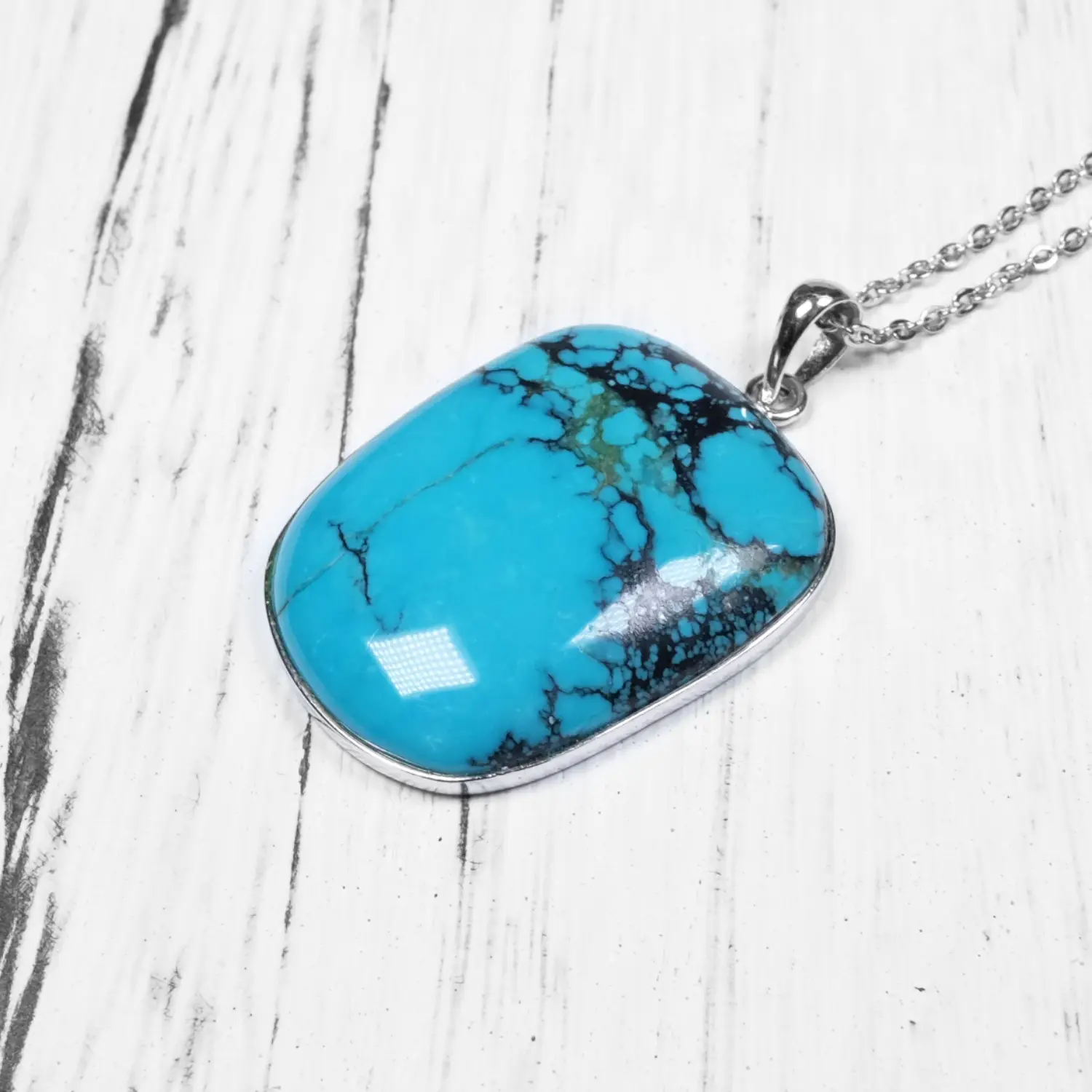
The sun can be an enemy for turquoise because of: dehydration.
Turquoise is a "hydrous" stone. That is a fancy way of saying it naturally contains water inside its chemical structure. Prolonged exposure to direct sunlight and heat can actually make the water evaporate out of the stone, chaining its chemical structure. When Turquoise dries out, or interacts with skin oils and cosmetics in the heat, it can oxidise. This turns it from a bright robin’s egg blue to a dull, sickly green. That's why sometimes you see vintage turquoise pieces (that are not stored properly) have a sad greenish look to them.
05 - Ammolite
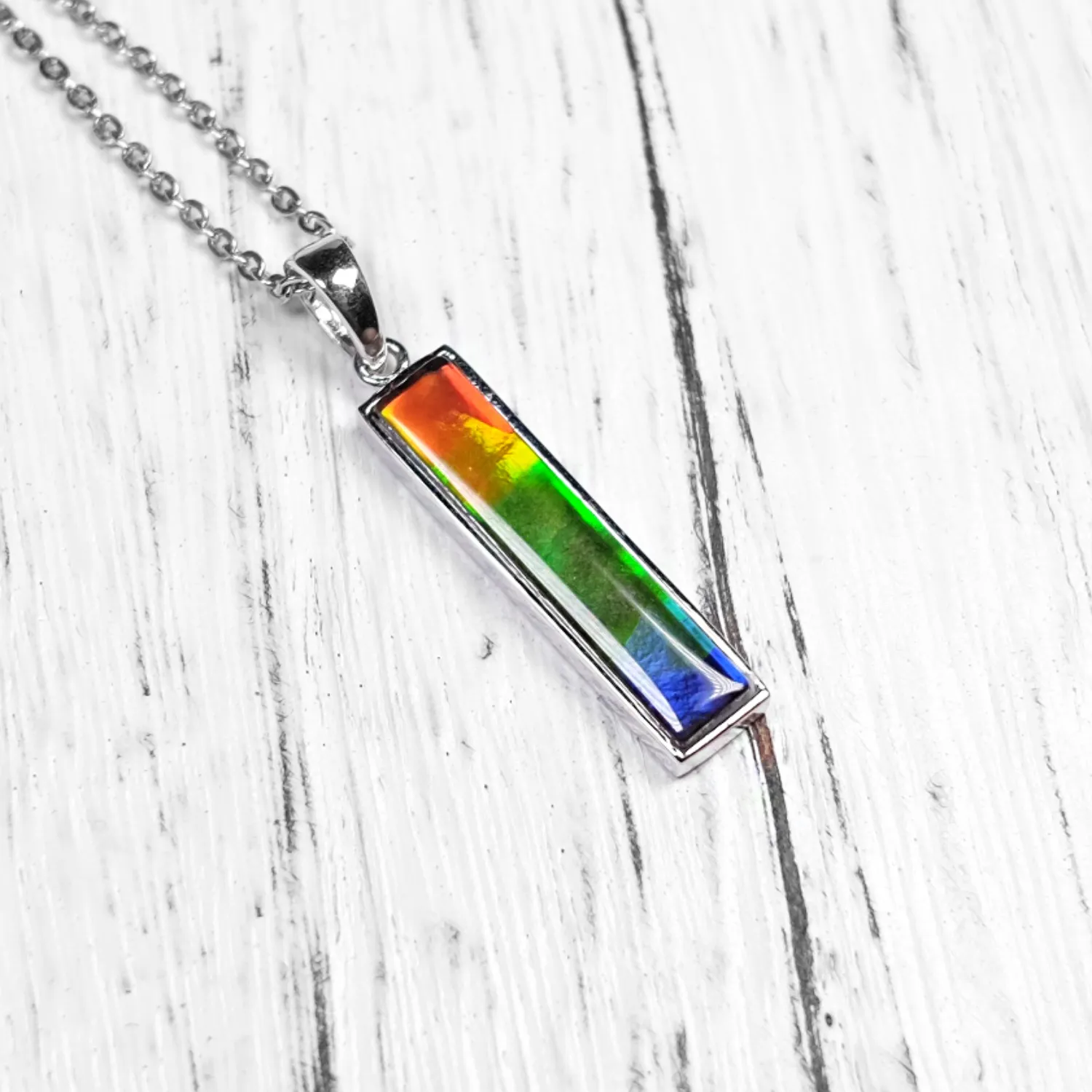
Ammolite is a beautiful organic gemstone formed from the fossilised shells of ancient ammonites. It is prized for its colourful, iridescent flash.
Because ammolite is made of thin, organic layers of aragonite (the same material as pearls), it is a fragile gemstone and highly sensitive to the environment. You might be wondering, "My ammolite is a doublet/triplet (capped with quartz/spinel), so is it safe?"
Actually, the doublet or triplet structure can sometimes make the heat problem worse. While the clear cap protects the stone from scratches, it can act like a greenhouse, trapping heat and UV light against the organic layer. Prolonged exposure can cause the vibrant colours to fade, or worse, cause the specialised glue between the layers to degrade and separate. Treat ammolite like a vampire as it hates the sun!
06 - Topaz

Topaz comes in many colours. While the popular blue topaz is generally stable, the brownish-yellow or sherry-coloured varieties (often sold as "Precious" or "Imperial" topaz) can be more unstable.
It is an unfortunate reality that some brown and pale topaz stones are treated to improve their colour. These specific hues can fade upon exposure to sunlight for extended periods, leaving you with a gemstone that's less colourful than the one you bought.
07 - Emerald
It isn't just semi-precious stones that dislike the sun. If you have emeralds in your collection, they want to avoid the sun too.
Almost all natural emeralds contain internal fractures or "inclusions." To make the stone look clearer and more vibrant, they are very often treated with oils or resins that fill these tiny gaps to improve their appearance. The problem is that the hot sun can dry out the oil. When the oil evaporates or degrades from UV exposure, the gem could look cloudy, and it can even become brittle and more prone to cracking.
08 - Opals
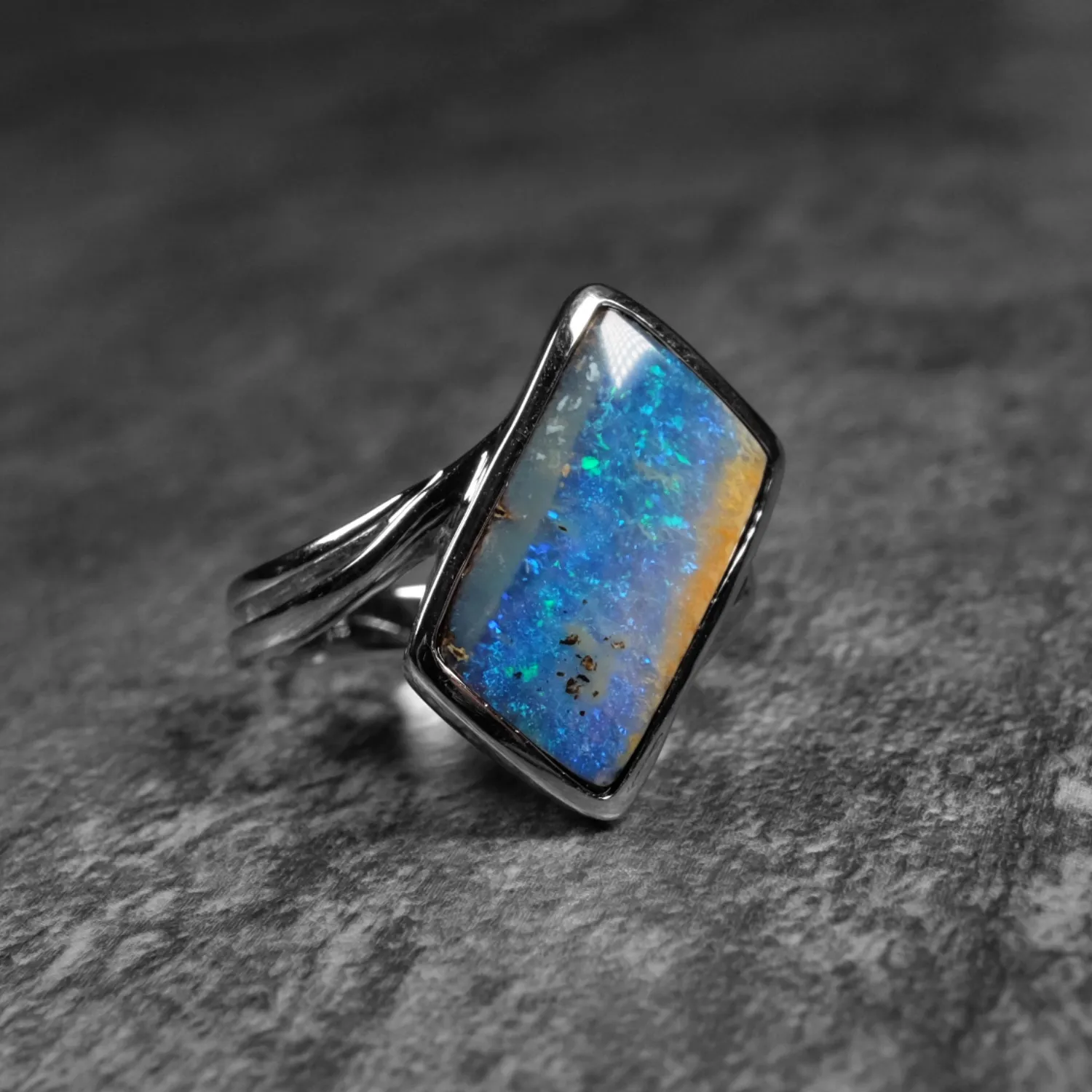
Opals are one of the most delicate stones when it comes to heat and sunlight. Opals contain a significant amount of water (most out of all gemstones) - sometimes up to 15-20% of their makeup.
When an opal is exposed to high heat and strong sun, that internal water can evaporate. This causes a phenomenon called "crazing", which is a web of tiny cracks that appear across the surface of the stone. Once an opal crazes, it loses its famous "fire" and sparkles, and make the opal a lot more fragile. Unfortunately, this damage is irreversible.
Protecting Your Jewelry: Storage and Wearing
So, does this mean you have to keep these beautiful stones locked away in the dark forever? Not at all! I wear my stones all the time. You just need to follow two simple rules.
Rule #1: Create a Dark Storage Environment
The biggest damage to jewelry usually happens when you aren't even wearing it. If you leave an amethyst ring or a rose quartz bracelet on a dresser or windowsill that gets hit by the afternoon sun every day, it will fade. It is as simple as that.
To fix this, make sure you store these sensitive gemstones in a closed jewelry box, a pouch, or a drawer. Darkness is their friend! By keeping them away from stray UV rays when they aren't in use, you are adding decades to their lifespan.
Rule #2: The "Beach Day" Test
Wearing these stones for a normal day out is totally fine: Going to the office, running errands, or having lunch at a restaurant. The damage usually comes from prolonged, intense exposure.
So if you are going to the beach for a sunny day out in summer, or doing a long hike with lots of sun exposure, leave those gemstone jewelry pieces at home (and wear your sunscreen!) Swap them for "sun-proof" stones like lapis lazuli, onyx, or jasper, which love the light as much as you do.


