Rhodochrosite Jewelry
A rose-pink manganese mineral with lovely white banding. Argentina's national gemstone
Unearthed Gemstones Rhodochrosite Jewelry
Click the photos for a closer look of the jewelry pieces
Hardness
3.5 - 4 (Soft): Handle with care; Easily scratchable.
Toughness
Poor (Fragile — Can chip or break easily; Treat gently and store separately)
Mineral Family
Rhodochrosite (Carbonate)
Transparency
Translucent to Opaque
Crystal System
Trigonal
Lustre
Vitreous
What Is Rhodochrosite?
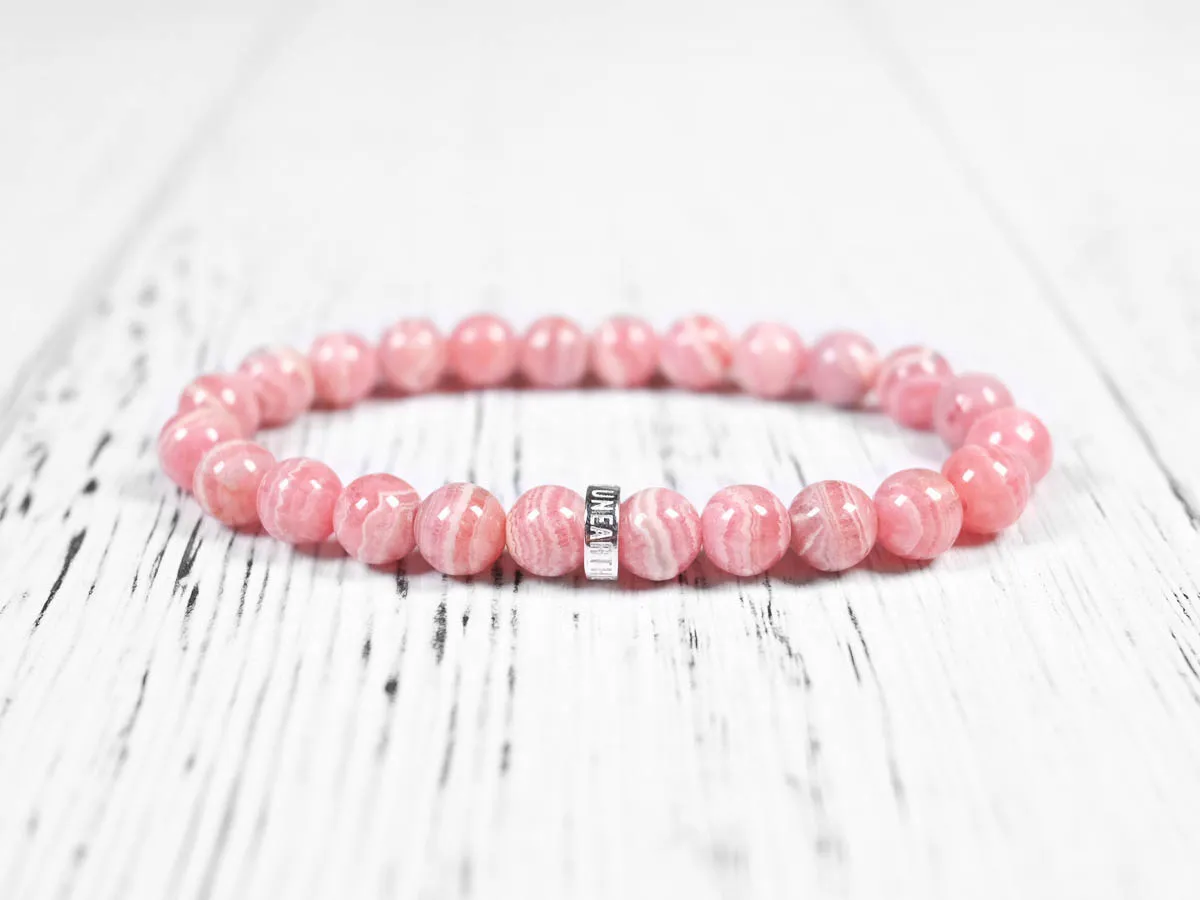
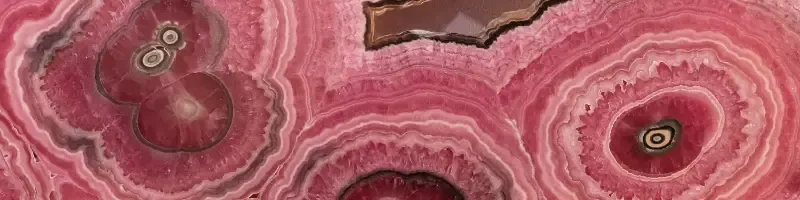
Rhodochrosite is a manganese carbonate in unapologetic pink, from soft rose to hot raspberry, its colour coming straight from the manganese in its own formula. The most famous material grows in stalactites in old Incan silver mines at Capillitas in Argentina, and slicing them reveals gorgeous banded bull's-eyes, which is why it is nicknamed Inca rose. Rare transparent crystals from the Sweet Home mine in Colorado are among the most coveted mineral specimens on Earth. It is Argentina's national gemstone.
Is Rhodochrosite Durable Enough for Everyday Jewelry?
Rhodochrosite asks for kid gloves: it is 3.5 to 4 on the Mohs scale with cleavage, so it scratches and chips easily. The banded material is cut as cabochons and beads for pendants and earrings, while faceted transparent stones are really collector's pieces rather than jewellery.
How to Care for Rhodochrosite Jewelry
Keep it away from acids (even lemon juice), perfume and ultrasonic cleaners, and wipe it with a soft, damp cloth.
Rhodochrosite vs Rhodonite: How to Tell Them Apart
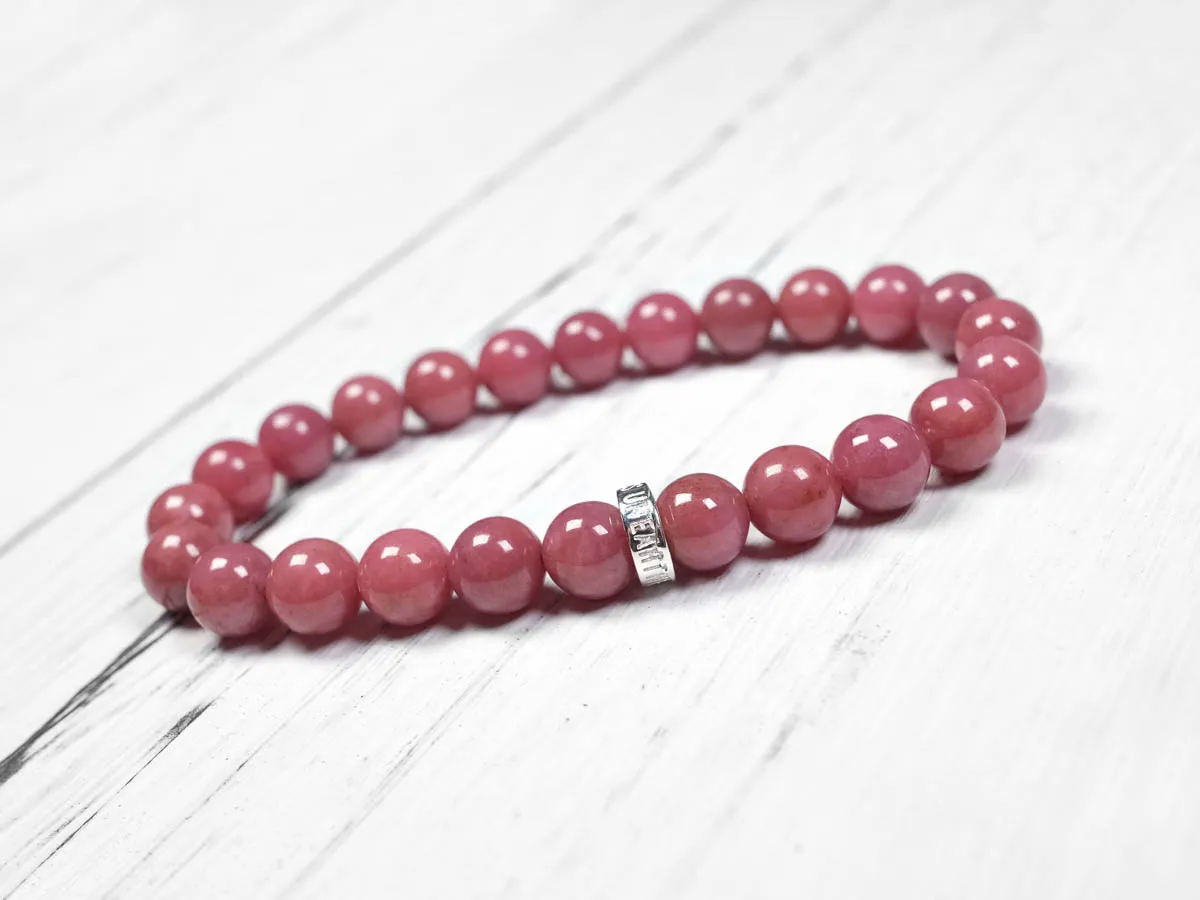
Its layered pink banding is distinctive, and the similarly named rhodonite is easy to tell apart by its black veins.
Gemstones Similar to Rhodochrosite
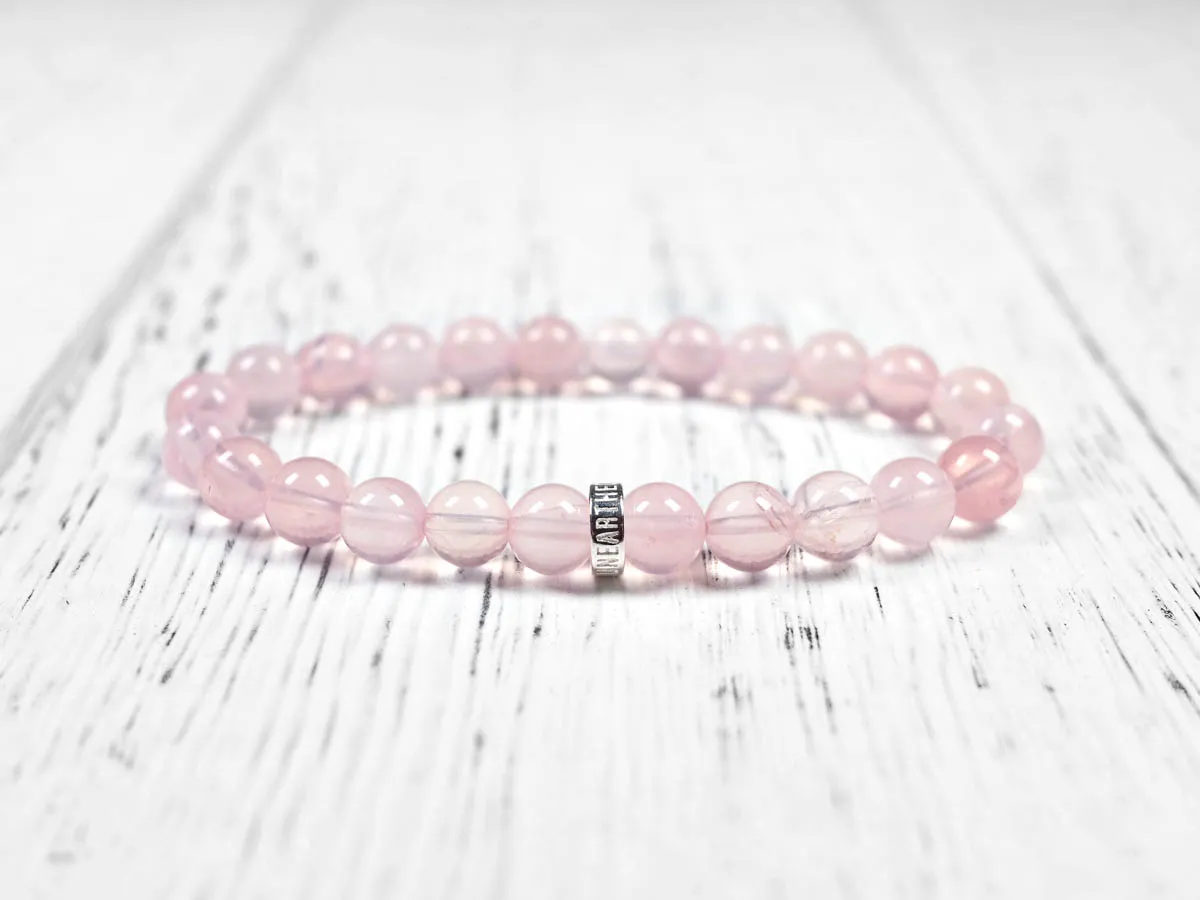
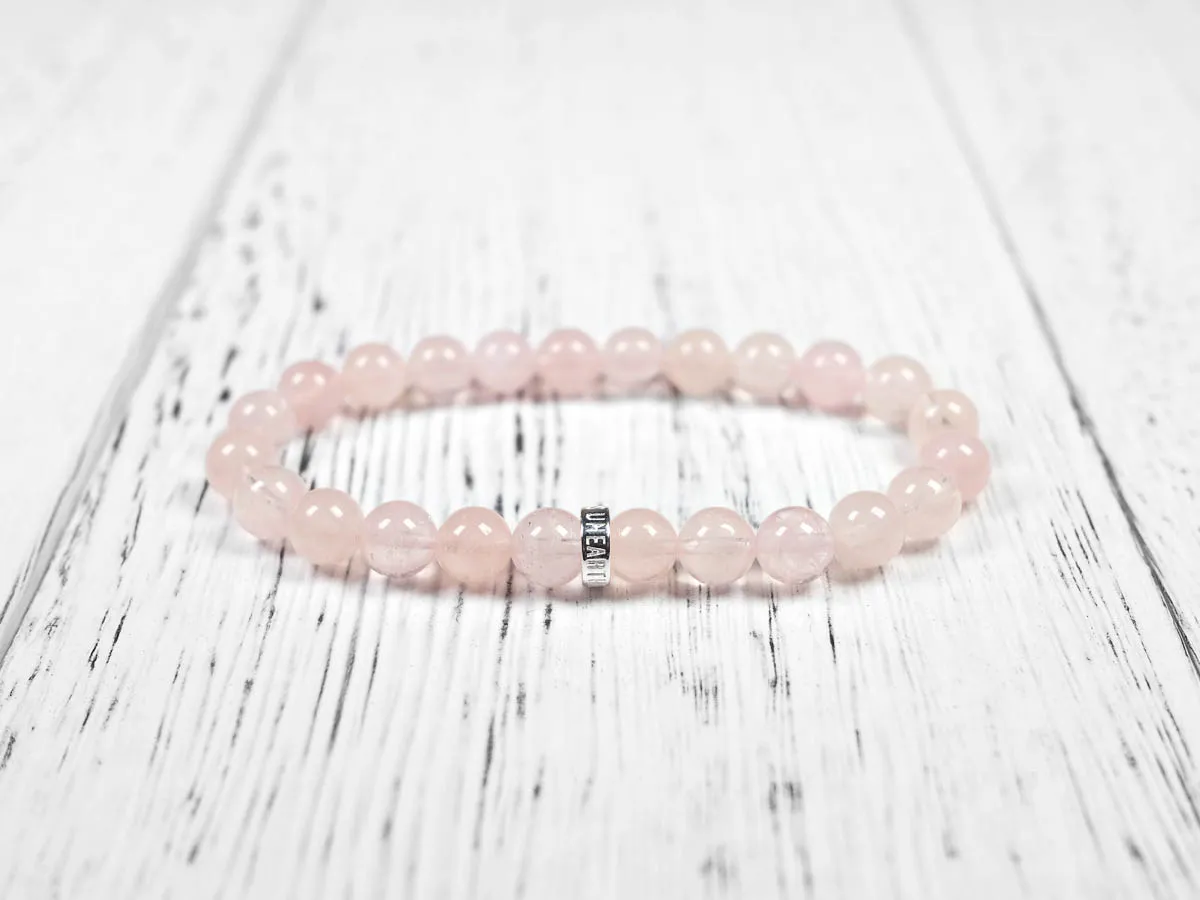
Rhodonite shares its name and deep pink but with black veins; rose quartz and morganite are gentler pink alternatives.