Kyanite Jewelry
A blade-like blue mineral famous for having two different hardnesses in one crystal

Unearthed Gemstones Kyanite Jewelry
Click the photos for a closer look of the jewelry pieces
Hardness
4.5 - 7 (Directional): Hardness varies with direction on the same crystal; Wear with care and avoid knocks.
Toughness
Poor (Fragile — Can chip or break easily; Treat gently and store separately)
Mineral Family
Kyanite (Aluminium Silicate)
Transparency
Transparent to Translucent
Crystal System
Triclinic
Lustre
Vitreous
What Is Kyanite?
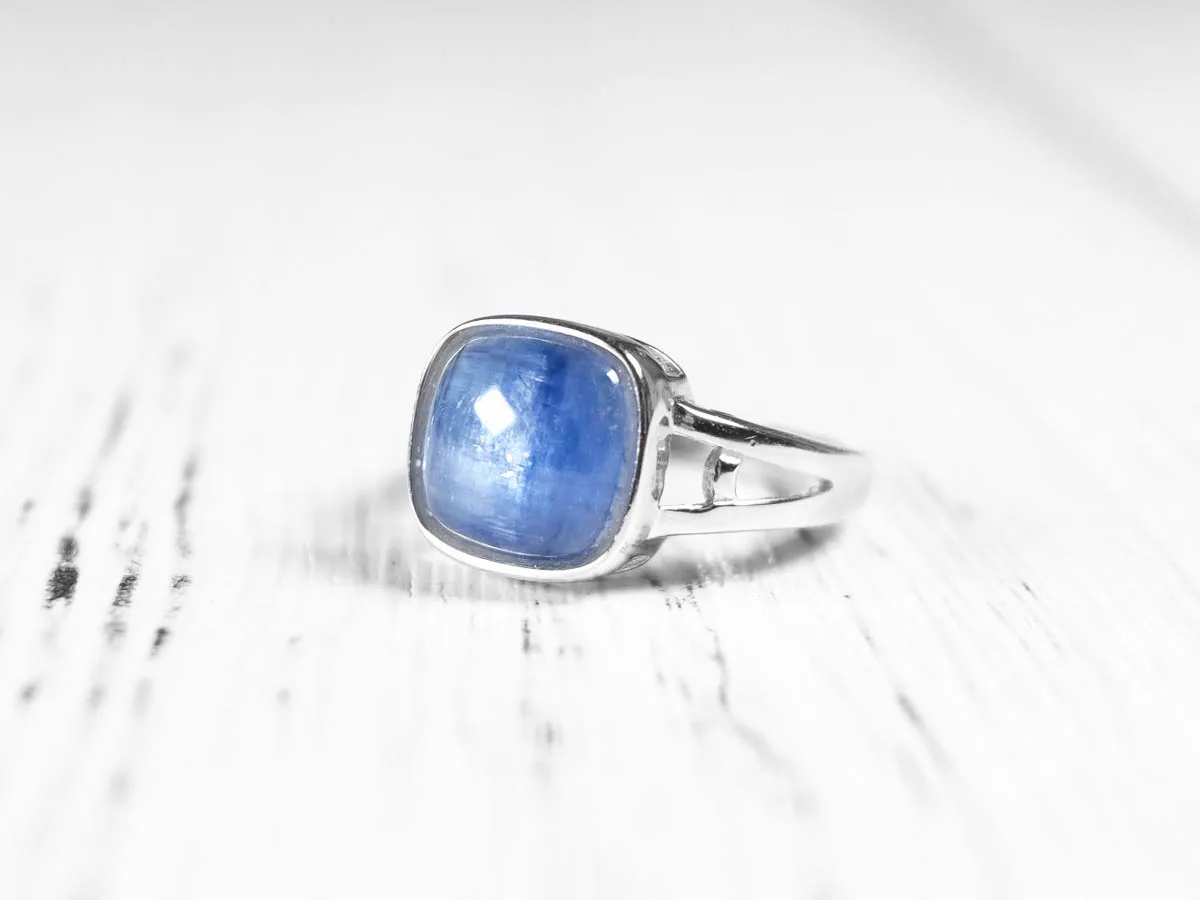
Kyanite is an aluminium silicate that grows in long, blade-like crystals, and its best material is a rich sapphire blue. The name comes from the Greek kyanos, meaning deep blue. The finest blue kyanite comes from Nepal, with more from Brazil, India, Tanzania and the USA.
Why Does Kyanite Have Two Hardnesses?
Its famous quirk is directional hardness: around 4.5 to 5 along the length of a blade, but 6.5 to 7 across it. That made it a nightmare for early cutters and earned it the old name disthene, meaning two strengths.
Is Kyanite Durable Enough for Everyday Jewelry?
Because of that split personality, kyanite is a stone for gentle wear. Its perfect cleavage means a knock along the wrong direction can split it, so it belongs in pendants and earrings rather than everyday rings. It is faceted when clean enough, and cut as cabochons when it shows its attractive streaky structure.
How to Care for Kyanite Jewelry
Skip ultrasonic cleaners entirely and wash it in lukewarm, soapy water. The reward for the extra care is a natural, untreated blue that genuinely rivals sapphire.
Gemstones Similar to Kyanite
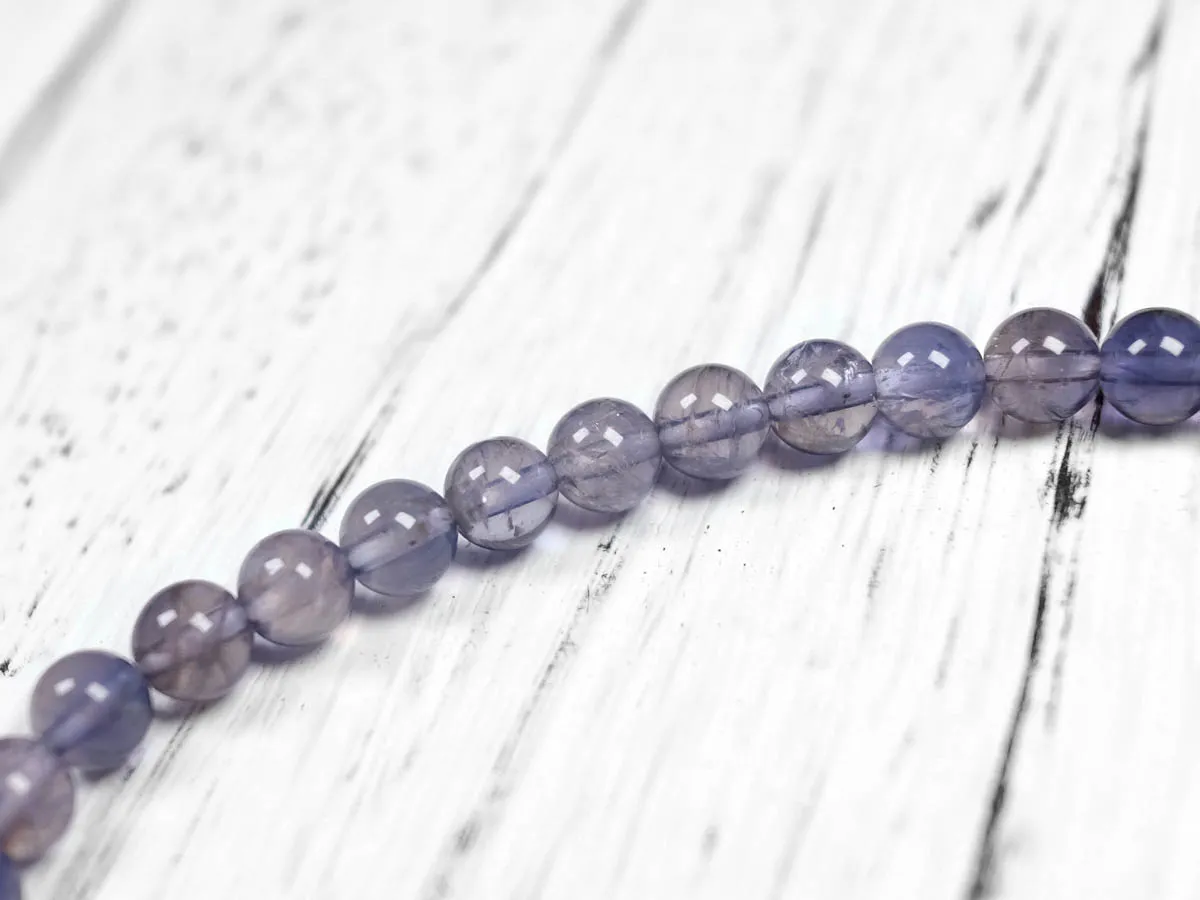
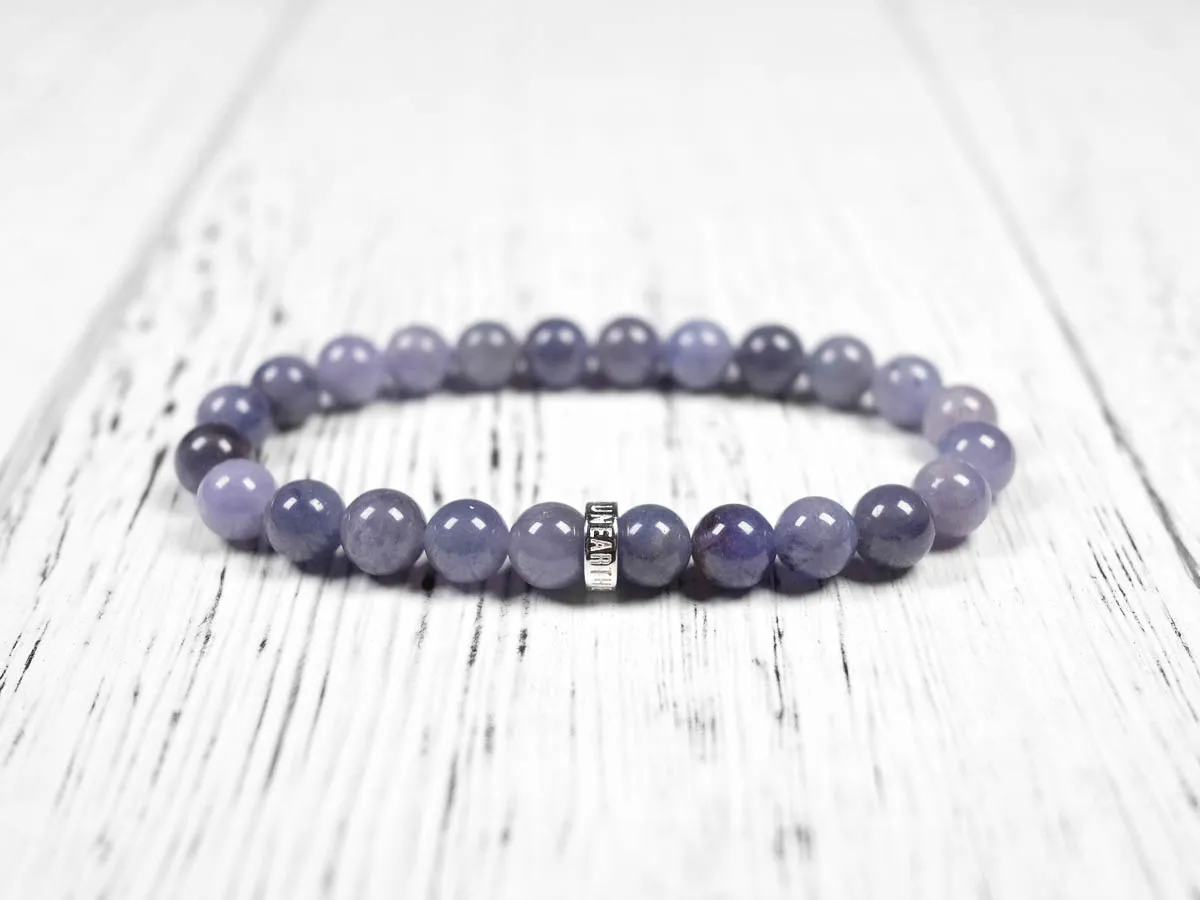
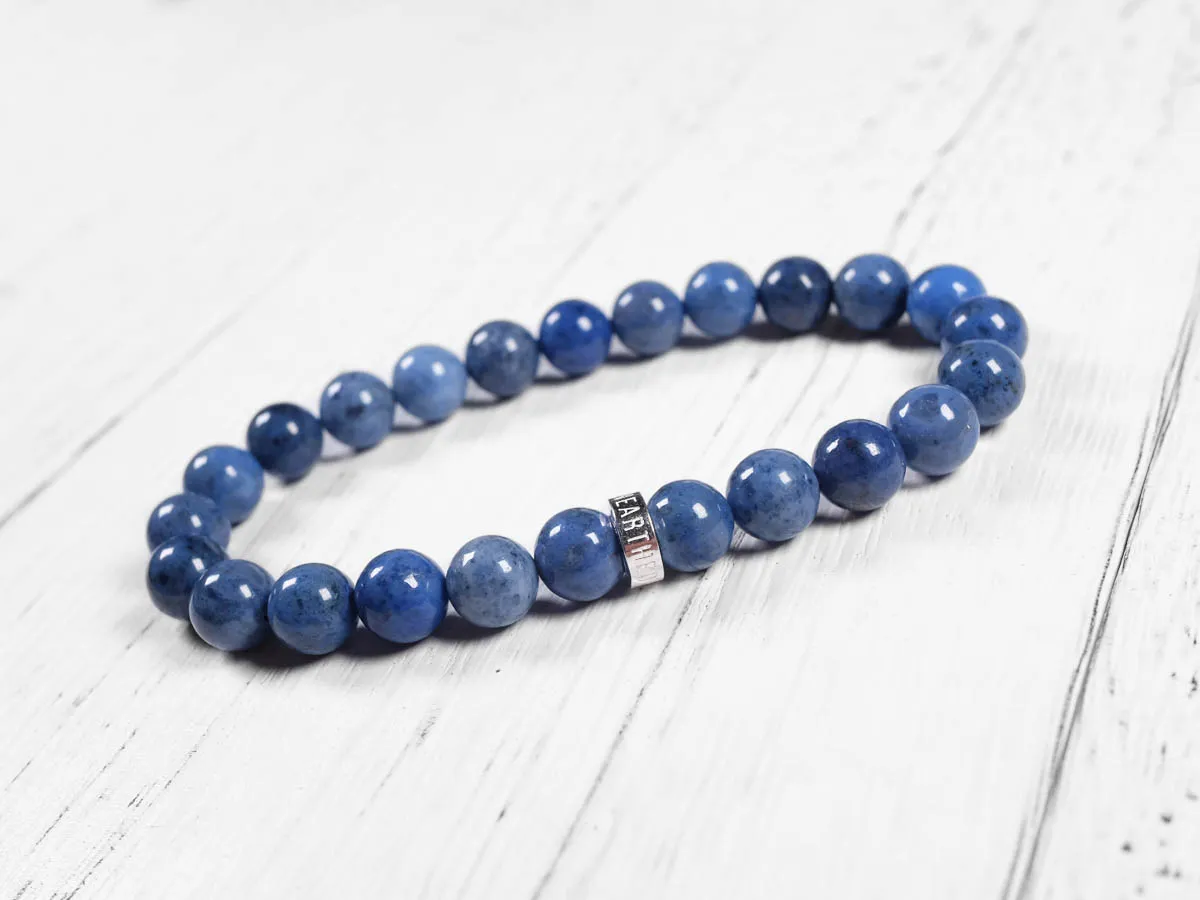
Fellow violet-blue gems: iolite and tanzanite are its main colour rivals, and dumortierite matches its inky tone in opaque form.