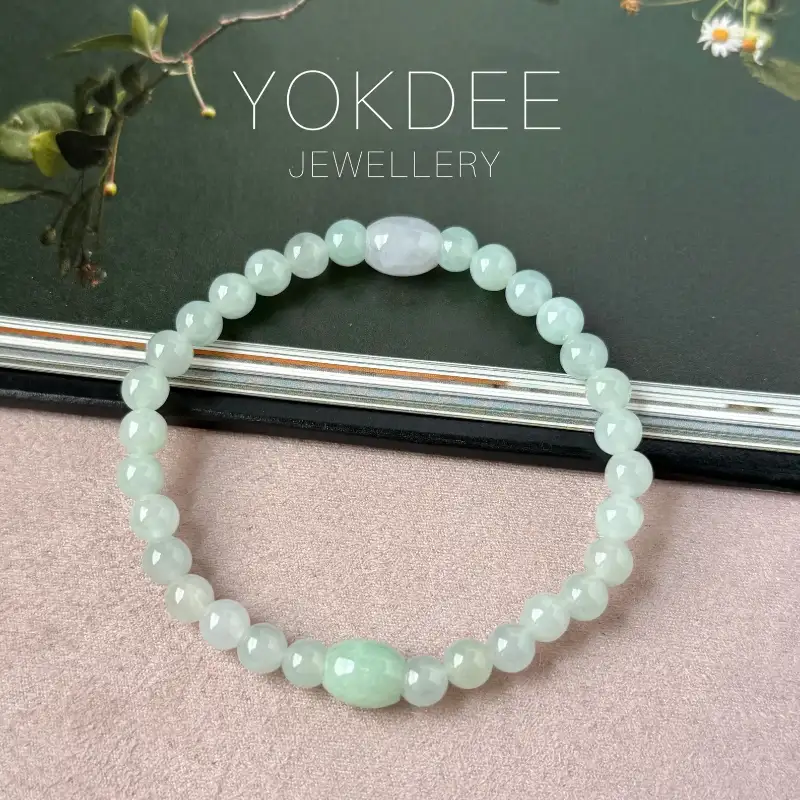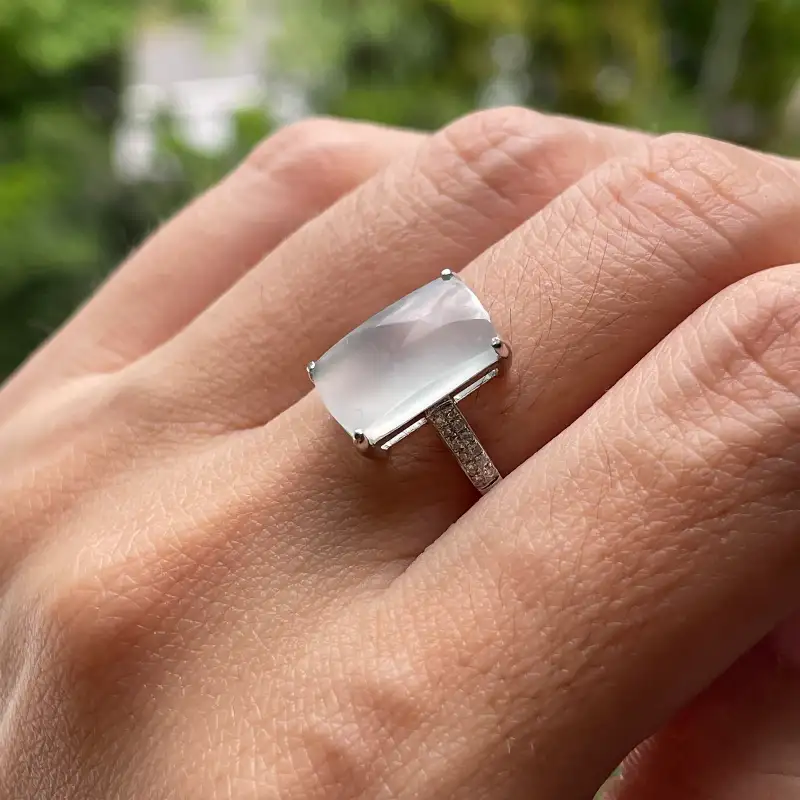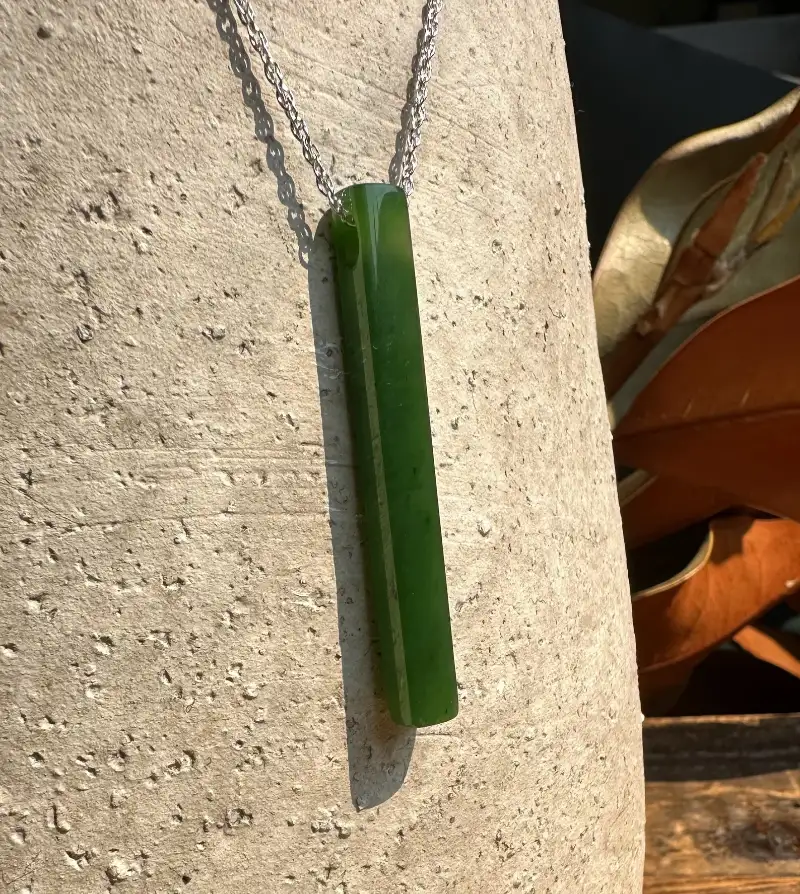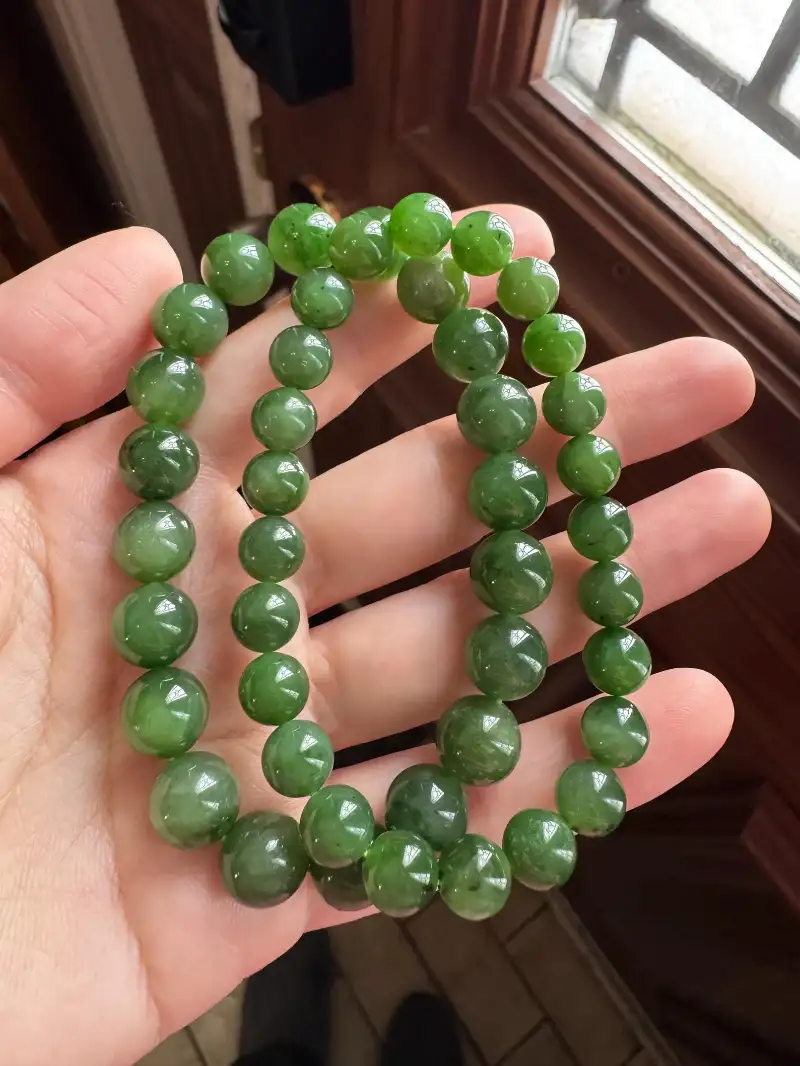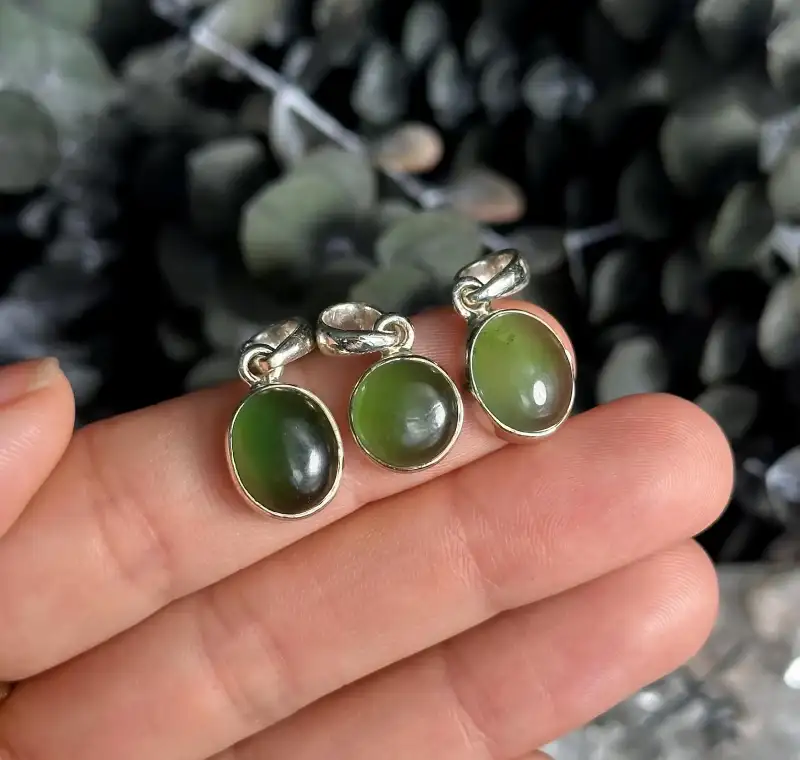
When customers walk into a shop and ask for "jade", the answer is often more complicated than you expected. While we tend to use the word as a catch-all term for those beautiful, tough green gemstones, "Jade" is actually a commercial name shared by two complete different minerals: Nephrite and Jadeite.
Knowing the difference between these two is vital because they differ in color, value, and chemical composition. Whether you are looking for a simple beaded bracelet or a statement ring, understanding what you are buying makes sure you get the right gemstone for you.
What is Nephrite
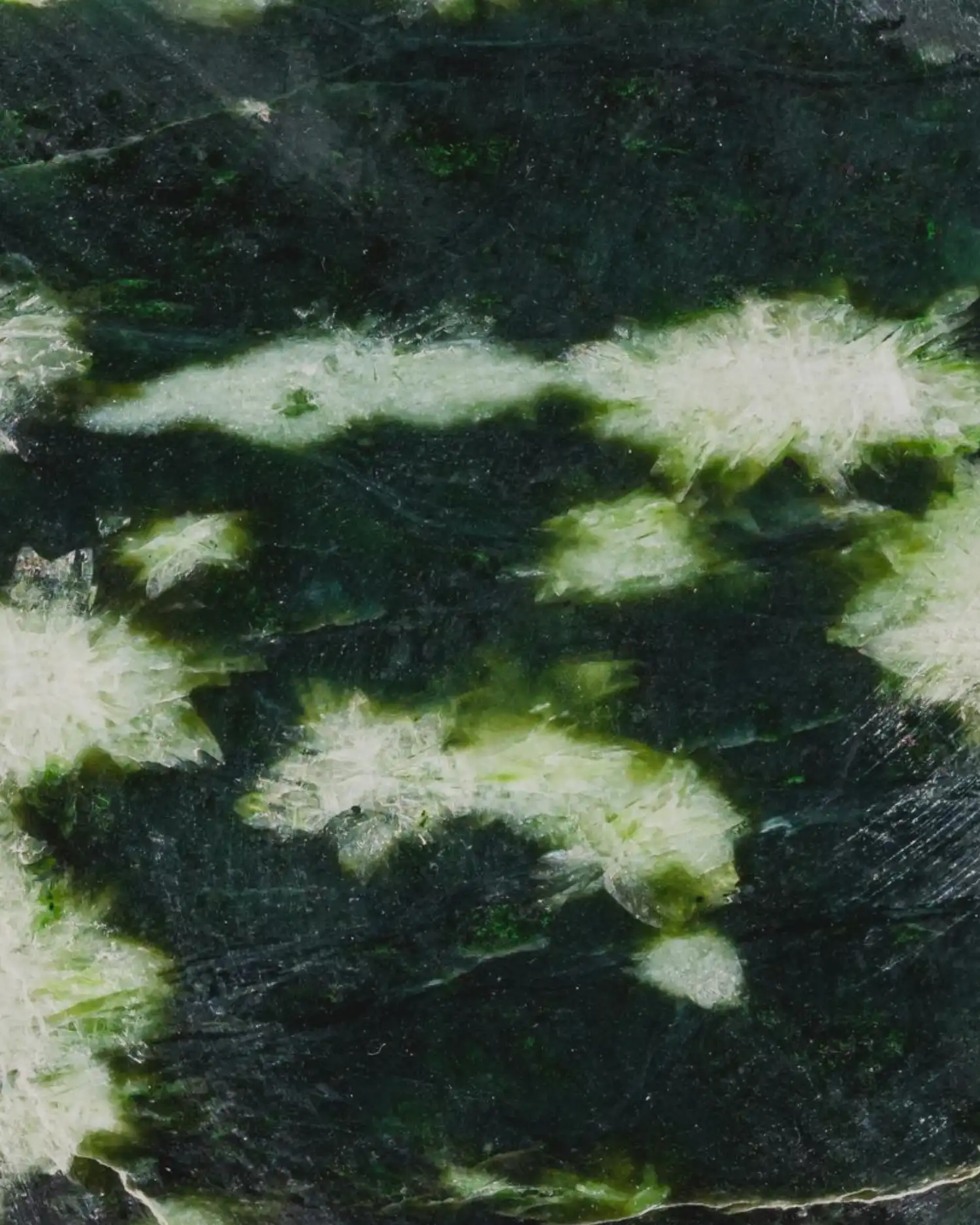
For thousands of years, the stone known as jade was actually nephrite. Structurally, nephrite is made up of a mass of microscopic, interlocking fibres. It's kind of like a piece of felt fabric where all the threads are matted and woven tightly together, that is essentially what Nephrite looks like under a microscope. This "felted" structure prevents it from shattering, making the stone extremely tough. Because of this durability, early civilisations didn’t just use nephrite for ornaments or jewelry. They used it to craft axe-heads, knives, and weapons because it could shape to a razor-sharp edge without snapping.
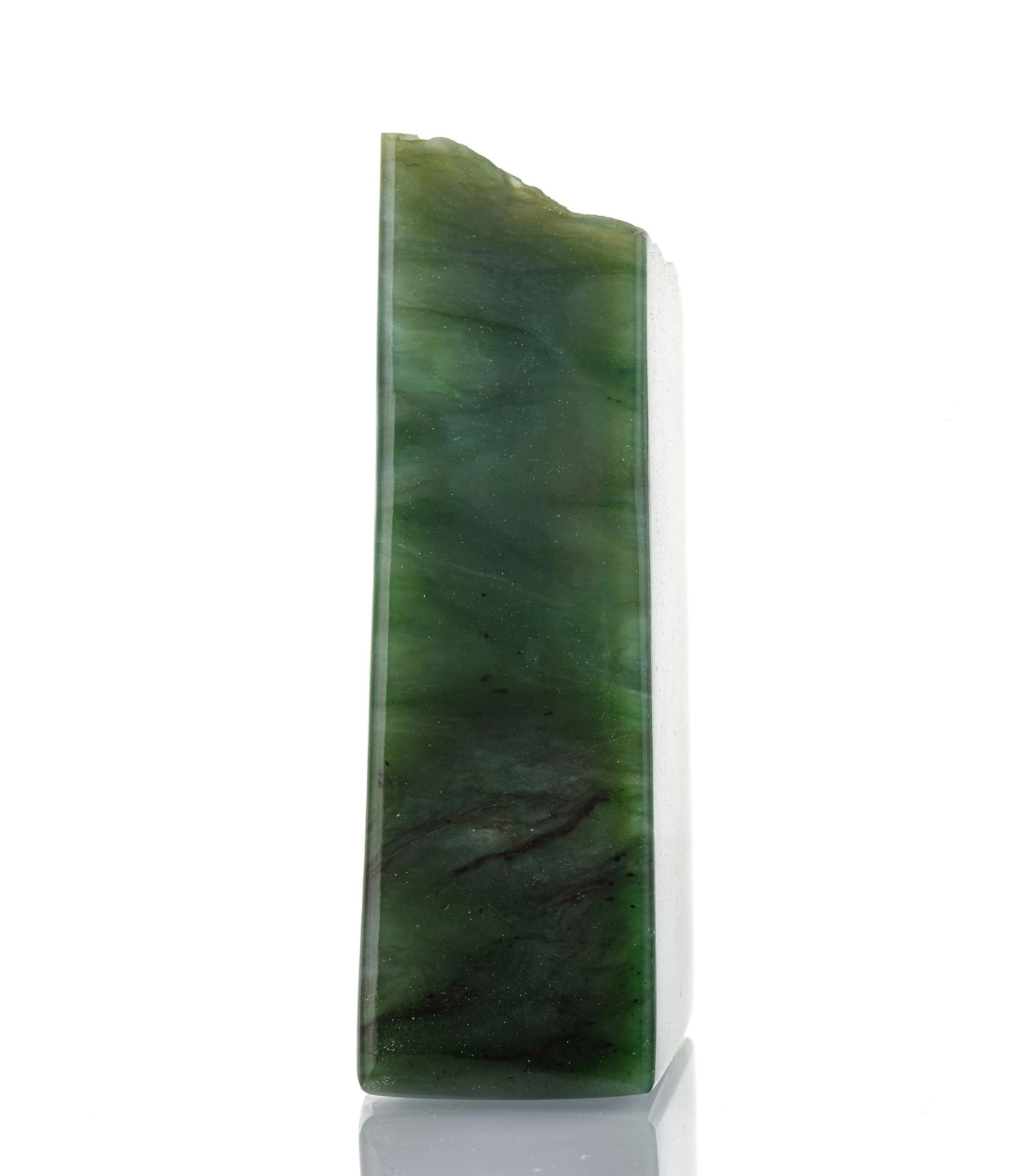
This fibrous structure is also what gives nephrite that characteristic "greasy" or oily finish that collectors love. While nephrite is known for its deep spinach green colour, it actually comes in a variety of earthy tones, including brown, greenish-grey, and black. However, the most prized color is a creamy, translucent white known as "mutton-fat" jade. This descriptive name comes from the stone's distinct look and lustre, which resembles congealed fat.
What is Jadeite
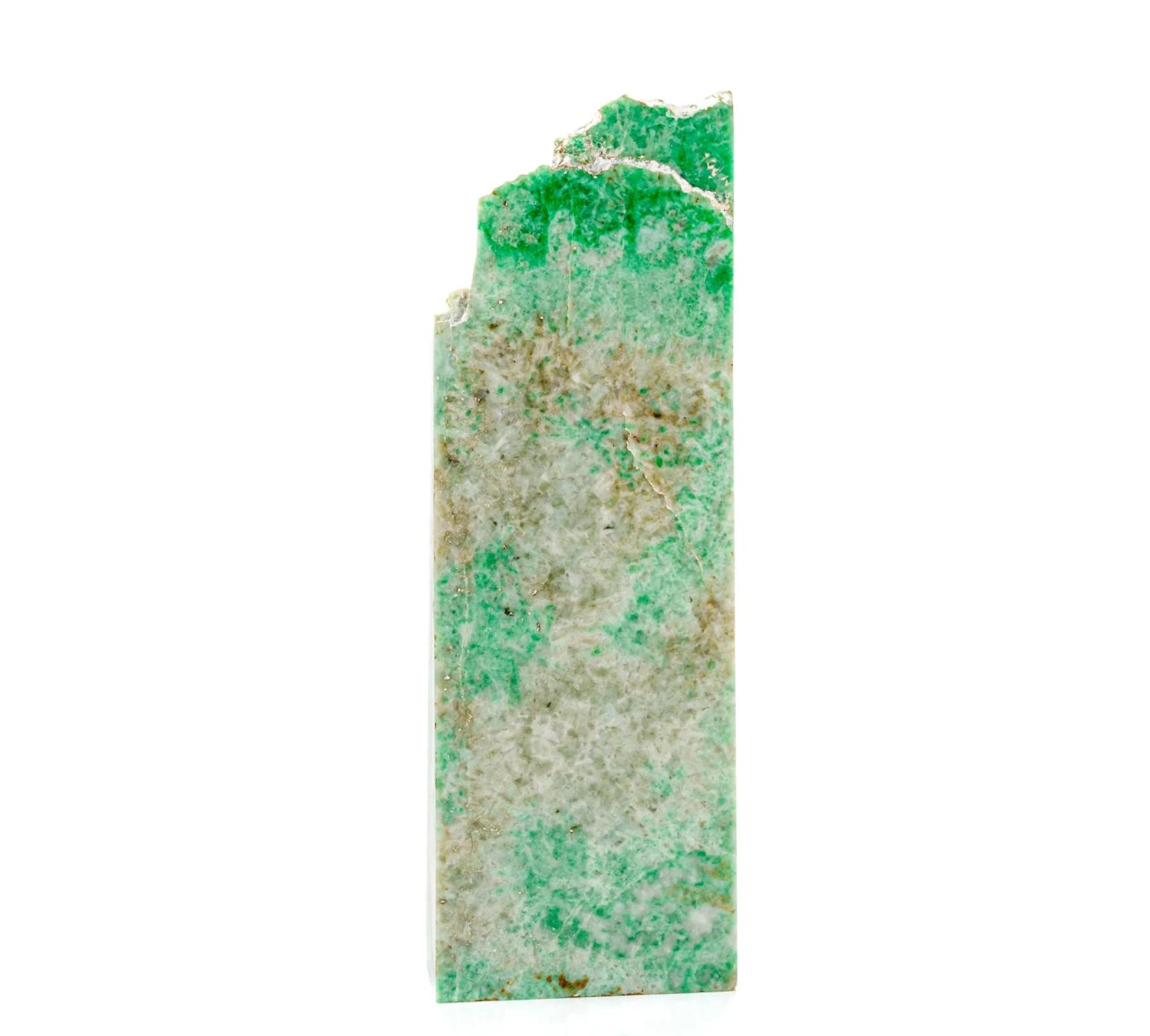
When most people think of "jade" today - specifically that bright, translucent light emerald-green stone - they are thinking of jadeite. It is chemically completely different from Nephrite, being a sodium aluminum silicate. It wasn't until the 18th century that Chinese carvers began switching over to this material, valuing it for its glassier lustre and wider range of vivid colours.
Jadeite is generally the more expensive of the two stones. While it is famous for its "Imperial Green" color, it can also be found in lavender, orange, tomato-red, yellow, and blue. Because jadeite is much rarer and commands a higher price per carat than nephrite, unfortunately it's much more likely to find fakes, or chemically treated and dyed ones in the market.
Enhancements, Treatments & Fakes of Jade
Because top-quality jadeite is so rare and expensive, the market has developed a grading system to disclose jadeite treatments.
This is often referred to as the A, B, and C system. Type A is natural, untreated jadeite that has only been waxed. Type B jadeite has been bleached with acid to remove brown impurities and then impregnated with polymer resin to make it look clearer. Type C has been artificially dyed to improve its color. While treated stones are more affordable, they are less durable than untreated jade.
Nephrite is generally less likely to be treated than Jadeite, but it still happens. Lower quality Nephrite can be dyed to achieve a more desirable green, or coated to improve its lustre. As with all gemstones, if a piece of bright green jade looks too perfect and the price is incredibly low, it is likely dyed or treated.
How to Shop for Jade
When you are shopping for jade jewelry, your choice should depend on what you want the stone to do. If you are looking for a piece of jewelry that you can wear every single day without worry, nephrite is an excellent choice because it is incredibly tough.
However, if you are looking for vivid colours like lavender or apple-green, or you want a stone with a high, glassy shine, then you are likely going to want to look for a jadeite piece (which will be pretty expensive).
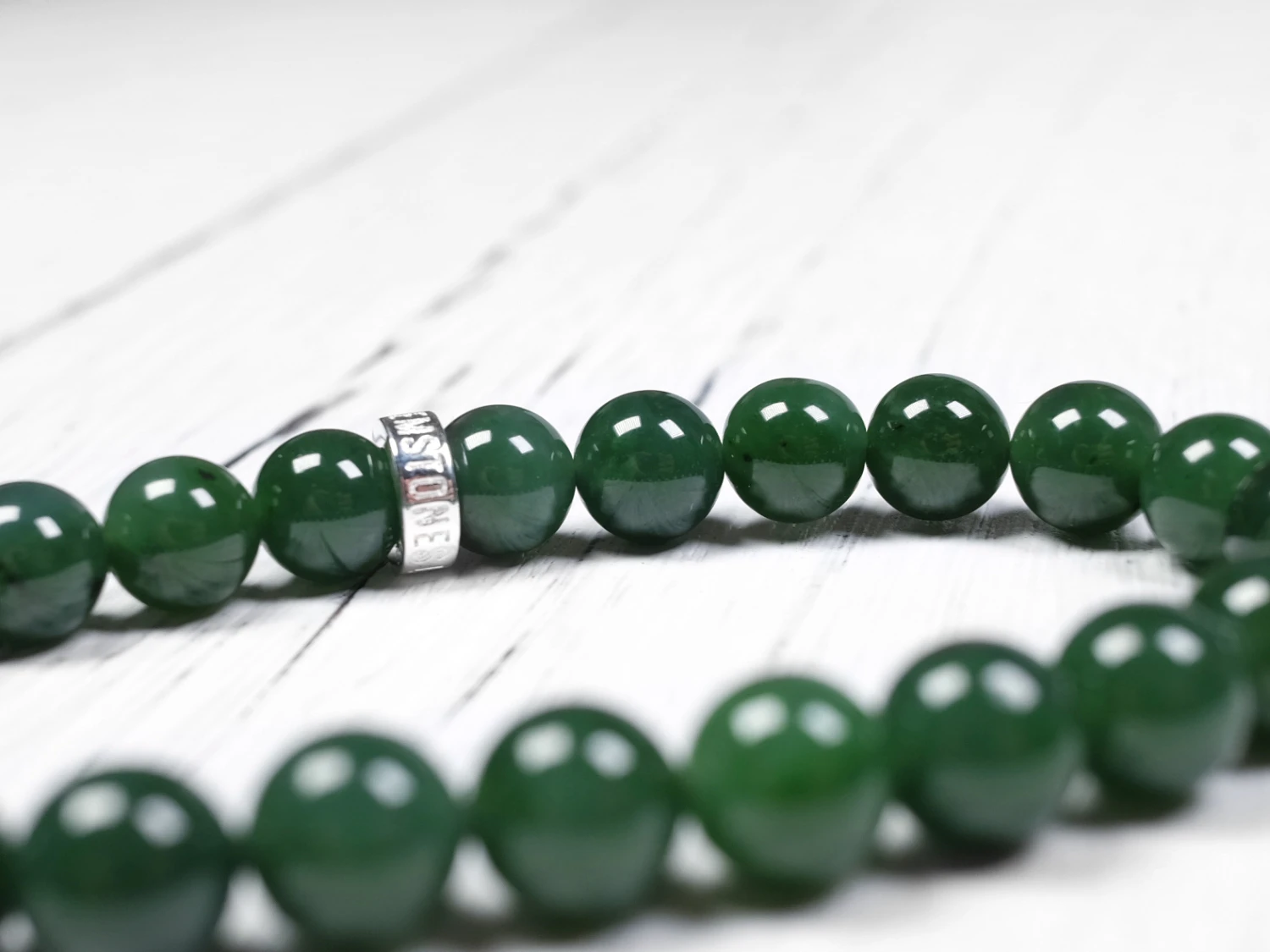
One of the most practical ways to distinguish the two stones when shopping is the "heft" test. Jadeite is denser and heavier than nephrite. If you were to hold a beaded bracelet of nephrite in one hand and a beaded bracelet of jadeite of the exact same size in the other, the jadeite bracelet would feel noticeably heavier.